
Proliferous pink
Petrorhagia prolifera
Description
Sowing dates
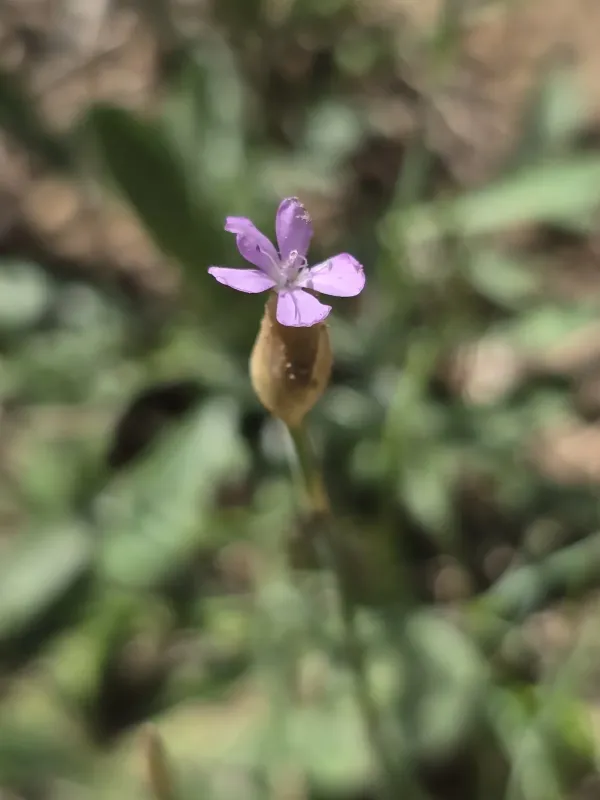
Petrorhagia prolifera, commonly known as proliferous pink, is an annual herbaceous plant belonging to the Caryophyllaceae family. In the wild, seeds germinate in autumn, forming a basal rosette that overwinters, or in early spring depending on the specific climatic conditions.
For agricultural or conservation purposes, the optimal sowing time is early spring when the soil is workable. Seeds require shallow sowing, as they are light-dependent for successful germination.
Row sowing is the recommended practice, ensuring sufficient spacing to allow each plant to develop its basal rosette without excessive competition. Deep sowing should be strictly avoided as it significantly reduces germination rates.
Seedlings emerge uniformly if soil moisture is maintained during the first two weeks of development. Growth is steady, with the plant forming a robust root system before producing flowering stems.
Managing plant density is crucial for obtaining high-quality seed material. Thinning should be performed during the rosette stage if the initial seed rate was too high.
Growing requirements
This species thrives in sunny, open habitats with well-drained, nutrient-poor, or sandy soils. It is well-adapted to environments where other vegetation faces high stress, such as dry meadows and rocky slopes.
The plant exhibits high drought tolerance, a key biological feature for its survival in arid conditions. Waterlogging is detrimental and can lead to rapid root decay and plant mortality.
Petrorhagia prolifera is tolerant of a wide range of soil pH levels but favors neutral or slightly alkaline conditions with adequate calcium content.
Climate requirements include a temperate summer season with sufficient sunlight. The plant is hardy enough to withstand significant diurnal temperature fluctuations typical of open field conditions.
Fertilization should be kept to a minimum. Excessive nitrogen promotes vegetative growth at the expense of floral production and can lead to structural weakness in the stems.
Main diseases and pests
Fungal pathogens causing root rot represent the primary threat to the crop, especially under conditions of high soil moisture or poor field drainage.
Insect pests, including aphids and leaf-chewing larvae, can damage the plant during the early growth stages, leading to stunted development and poor reproductive performance.
Weed competition is a significant threat during the establishment phase. Frequent weeding or inter-row cultivation is essential to ensure the crop has access to light and resources.
Powdery mildew can occur in dense stands with poor airflow. Maintaining proper plant spacing is the most effective cultural method to mitigate this risk.
Crop rotation is advised to prevent the buildup of soil-borne pathogens, ensuring long-term field health and consistent production quality.