
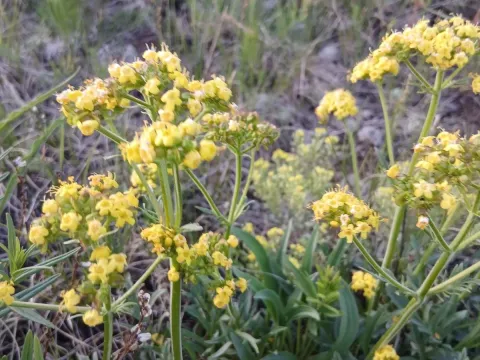
Patrinia
Patrinia
Patrinia seeds require a period of stratification to break dormancy; therefore, autumn sowing in the open ground is the most effective method for this culture.
What the section contains


Patrinia
If spring sowing is preferred, seeds should undergo artificial stratification by being stored in a refrigerator for 6–8 weeks to ensure high germination rates.
For greenhouse cultivation, sow seeds in March in a light, well-draining potting mix, pressing them gently into the surface as they require light to germinate.
Maintain temperatures between 18 and 20 degrees Celsius and keep the substrate consistently moist until seedlings emerge and develop their first set of true leaves.
Transplant the young plants into their permanent location only after the danger of spring frost has completely passed to ensure robust initial growth.
Patrinia belongs to the Caprifoliaceae family and thrives as a perennial herb, often used both for its aesthetic value and as a traditional medicinal plant.
This crop prefers full sun exposure to maintain its vigor, although it can tolerate partial shade if the climate in the region is particularly hot during the summer.
The soil must be fertile and well-drained, as waterlogged conditions often lead to root rot, which is the primary challenge in managing this species.
While the plant is relatively drought-tolerant once established, regular irrigation is beneficial during the active growth phase, particularly in the spring months.
The plant is hardy and well-adapted to various temperate climates, requiring minimal winter protection in zones with sufficient natural snow cover.
Patrinia is naturally resistant to many common pests, but poor site selection—specifically in low-lying areas—can increase the risk of fungal infections.
Root rot is the most common threat when drainage is insufficient, especially in regions with high seasonal rainfall or heavy clay soil textures.
Slugs and snails can be problematic for young, tender seedlings in the spring, requiring physical barriers or organic pest control methods to protect the crops.
Maintaining adequate spacing between plants is crucial to ensure good airflow, which significantly reduces the humidity levels around the foliage and prevents mildew.
Monitoring the foliage for signs of aphids during dry spells is recommended, as stress from drought can occasionally make the plant more susceptible to infestation.
The medicinal harvest of Patrinia roots should be timed for late autumn after the foliage begins to senescence, indicating peak concentration of metabolites.
Carefully excavate the root systems, ensuring minimal damage, and wash the harvested roots thoroughly to remove all organic debris and soil particles.
Drying must occur in a well-ventilated, shaded environment at a temperature not exceeding 45 degrees Celsius to preserve the essential chemical integrity.
Once dried, the roots should be brittle to the touch, and they should be stored in breathable, dry containers such as paper bags or wooden boxes.
Properly processed and stored, the medicinal quality of Patrinia roots can be maintained for up to two years before efficacy begins to diminish.