
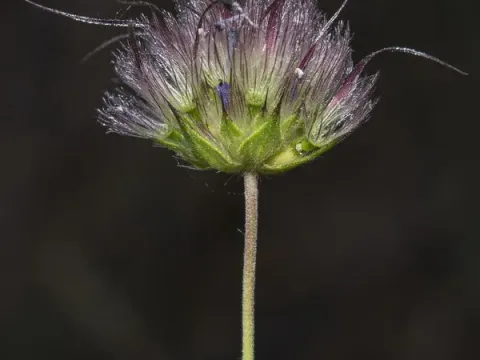
Pterocephalidium
Pterocephalidium
Pterocephalidium is a distinct botanical genus within the Caprifoliaceae family. Known for its adaptation to high-altitude environments, this plant represents a specialized niche in agricultural studies, requiring precise environmental management for successful propagation.
What the section contains

Pterocephalidium
The sowing process requires a well-structured, porous substrate to facilitate deep root penetration. Using fine-textured but draining media is crucial to avoid damping-off diseases, which can affect young seedlings during the initial germination phase.
Optimal sowing timing is typically associated with the transition from late winter to early spring. This allows the plant to utilize the natural moisture of the soil during the early stages while avoiding the intense heat of midsummer.
Seed depth should be kept minimal to ensure that the small seeds receive enough light to trigger physiological growth processes. Proper spacing between rows is essential for efficient aeration and light penetration across the entire crop canopy.
Post-sowing care includes maintaining consistent soil surface humidity until the first true leaves emerge. Once established, the frequency of watering should be reduced to encourage the development of a resilient, deep root system.
Pterocephalidium thrives in environments that replicate its native montane habitats. It requires soils with excellent drainage, typically sandy or stony loams, as the root system is highly sensitive to hypoxia caused by water stagnation.
Light intensity is a primary growth factor for this culture. It requires full solar exposure to maintain its compact growth habit and to promote the synthesis of necessary biochemical compounds, which are often valued in pharmacological applications.
Thermal stability is preferred over extreme fluctuations. While the plant shows resistance to cool temperatures, consistent moderate levels are best for sustained productivity and long-term health of the plant population.
The nutrient strategy should prioritize potassium and phosphorus over nitrogen. Excessive nitrogen can lead to rapid, weak growth, making the plants more susceptible to wind damage and secondary pest infestations.
Weed control in the early growth stages is vital as the plant is not highly competitive against faster-growing weeds. Mechanical cultivation should be shallow to prevent damaging the surface roots of the Pterocephalidium specimens.