
Patrinia villosa
Patrinia villosa
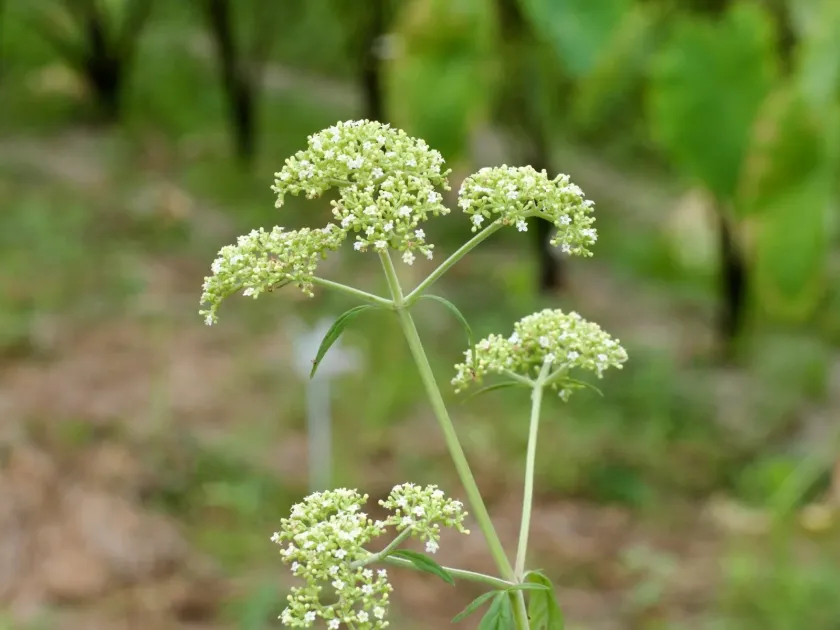
Description
Sowing dates
Patrinia villosa is typically propagated through seeds or by dividing mature plant clumps. Sowing in open ground is best performed in late autumn to ensure natural stratification through the winter months.
If spring sowing is preferred, seeds must be cold-stratified at temperatures between +2 and +5 degrees Celsius for approximately one month. This process significantly improves germination rates and ensures even seedling development.
Seeds should be sown in loose, well-draining soil at a depth of no more than 1 centimeter. Proper spacing between rows is essential, generally ranging from 40 to 50 centimeters to support robust root growth.
Seedlings should be transplanted to their permanent location once the risk of spring frost has passed. The plant quickly establishes itself in soil that has sufficiently warmed up after the winter.
Seed storage should occur in a cool, dry environment to maintain viability for up to three years. Using fresh seeds often yields more reliable results for professional cultivation purposes.
Growing requirements
Patrinia villosa belongs to the Caprifoliaceae family and is a perennial herb characterized by a stout, branched taproot. It is native to East Asian regions, including China, Korea, and Japan, where it thrives in varied climates.
This crop prefers sunny or partially shaded locations with moderately moist soil. While it is adaptable to various soil types, it performs best in fertile, loamy soils that provide adequate drainage and air circulation.
Consistent watering is required during the active growth phase, especially during hot, dry summer periods. However, farmers must avoid waterlogging, as the roots are sensitive to excessive moisture which may induce decay.
The plant exhibits high cold tolerance, making it suitable for temperate regions without the need for intensive winter protection. In colder climates, a light layer of mulch can help protect the root zone from extreme temperature fluctuations.
Good agricultural practices include regular weeding and loosening of the soil between rows. Periodic application of balanced mineral fertilizers in the spring supports the plant's overall vigor and yield potential.
Yield
The primary economic value of Patrinia villosa lies in its root system, which is rich in alkaloids, saponins, and essential oils. The final yield depends significantly on the age of the plantation and the quality of field management.
Optimal accumulation of biologically active substances is observed in plants aged 3 to 4 years. Harvesting during this maturity stage ensures the highest possible concentration of medicinal compounds for pharmaceutical applications.
Under optimal agronomic conditions, one hectare can produce approximately 1.5 to 2 tons of dried roots. Yield stability is maintained by following a well-planned crop rotation scheme to prevent soil depletion.
While the aerial parts are sometimes utilized in traditional medicine, the root remains the primary commercial product. Efficient cleaning and drying are essential steps that determine the final quality of the raw material.
Sustainable cultivation allows for consistent production over multiple years, provided that nutrient levels in the soil are managed through organic or mineral inputs to replace those removed by the harvest.
Main diseases and pests
Patrinia villosa is generally a hardy species, but it may be susceptible to root rot if grown in poorly drained soils. Preventing over-irrigation is the most effective way to manage these fungal risks.
Common pests such as aphids and spider mites may infest the foliage during warm, dry periods. Integrated pest management, including the use of biological control agents or soft insecticides, is recommended for infestations.
Powdery mildew can occur in dense plantings where air circulation is restricted. Pruning overgrown clumps and ensuring sufficient spacing between plants can help reduce the incidence of this fungal disease.
Soil-dwelling pests like wireworms may occasionally damage the root system. Deep autumn cultivation is a recommended agricultural practice to disturb their habitat and significantly reduce their population in the field.
Slugs and snails can cause damage to young shoots in wet conditions. Implementing physical barriers or using non-toxic slug bait can protect the young plants during their vulnerable early growth stages.
Harvesting
Root harvesting is best conducted in late autumn after the foliage has naturally withered. At this time, the plant has stored all available nutrients in the roots, maximizing the medicinal quality of the harvest.
The roots should be carefully excavated, ensuring minimal breakage, and washed thoroughly in running water to remove all soil debris. Mechanical harvesting tools should be adjusted to prevent root damage.
Drying must be performed in a well-ventilated area or a controlled drying chamber at temperatures not exceeding 45 degrees Celsius. Exceeding this temperature can lead to the loss of volatile compounds and active ingredients.
Once dried, the raw material should be stored in breathable, dry, and dark conditions to prevent moisture accumulation and preserve the integrity of the bioactive components over time.
Properly processed Patrinia roots can maintain their medicinal properties for up to 3 years when stored in a cool, pest-free, and dry environment. Routine inspection is advised to ensure no storage-related decay occurs.