
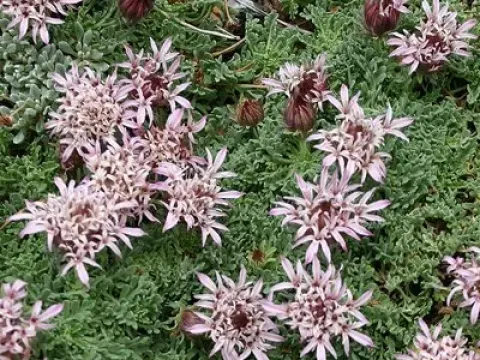
Pterocephalus
Pterocephalus
The sowing of Pterocephalus seeds is best carried out in early spring when the soil temperature rises sufficiently. For professional gardeners, greenhouse propagation starting in late winter is a standard practice to maximize the growing season.
What the section contains


Pterocephalus
Seeds require a lightweight and sandy substrate to ensure optimal drainage. It is important to sow them on the surface, as Pterocephalus seeds require exposure to natural light for successful germination.
A two-week stratification period in a cool environment significantly improves the germination rate. Keeping the moisture levels constant but not waterlogged is critical during the initial germination phase.
When seedlings develop the first set of true leaves, they should be carefully pricked out into individual containers. Preventing damage to the root system is essential for the healthy establishment of young plants.
Transplanting into the permanent garden location should occur only after the risk of frost has completely passed. Maintaining adequate spacing between plants prevents competition for light and ensures good airflow for mature specimens.
As a member of the Dipsacaceae family, Pterocephalus thrives in bright, sunny conditions. It is specifically adapted to mountainous environments where full sun is abundant throughout the day.
The soil must be well-draining, preferably with a neutral or slightly alkaline pH. Heavy, compacted soils that retain moisture will inevitably lead to root rot and should be avoided or amended with gravel.
The plant demonstrates remarkable drought tolerance once established in the garden. Occasional deep watering is far superior to frequent light surface watering, which encourages shallow and weak root systems.
In terms of seasonal maintenance, protecting the plant from excessive winter moisture is vital. Ensuring the site is well-drained prevents the crown of the plant from rotting during the spring thaw.
Light pruning after the peak flowering period encourages the development of a compact shape and prevents the plant from becoming woody and sparse. This practice also helps the plant focus energy on root development before winter.
Fungal diseases are the primary threat to the health of Pterocephalus, often triggered by poor ventilation and damp soil conditions. Symptoms include dark spots on foliage and mushy stems.
Proactive disease management involves removing any dead material from around the plant and ensuring the surrounding area remains weed-free. If necessary, targeted fungicide applications can be effective.
Pests such as aphids and spider mites can occasionally affect the plant during hot, dry spells. These insects cause damage to young leaves, often resulting in curled or yellowing foliage.
Regular monitoring of the undersides of leaves is recommended to detect pest activity at an early stage. Applying soap-based insecticidal solutions is often sufficient to control minor outbreaks.
Proper plant hygiene and choosing the right location with adequate airflow are the best preventive measures against both diseases and pests. A healthy plant in optimal conditions will naturally resist most common garden ailments.