
Oriental honeysuckle
Lonicera orientalis
Description
Growing requirements
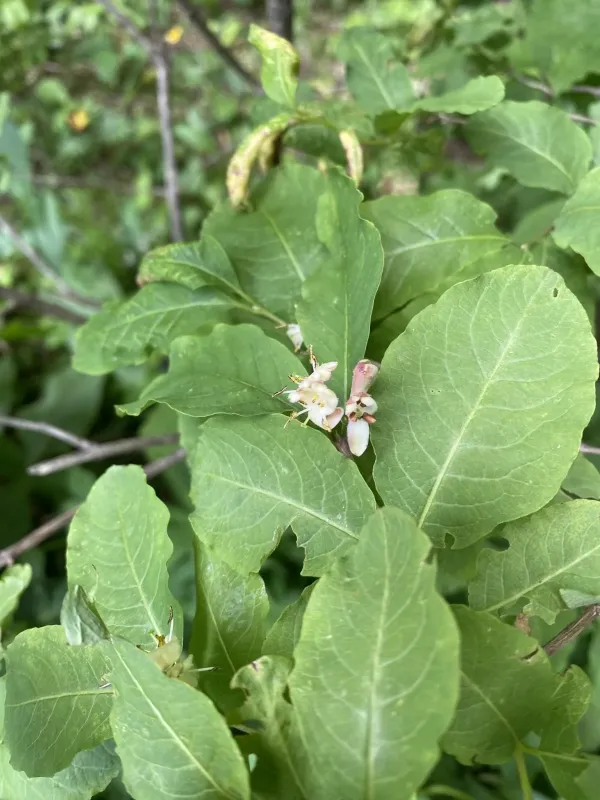
Oriental honeysuckle (Lonicera orientalis) is a deciduous shrub species belonging to the Caprifoliaceae family. It is recognized for its dense habit and graceful structure, making it a popular choice for ornamental landscaping projects.
The plant is native to the mountain regions of East Asia. Because of its origin, it has evolved to be highly hardy, capable of enduring cold winters and varying climate conditions within temperate regions.
For optimal growth, this species requires a location with full sun to partial shade. While it is adaptable, it performs best in deep, fertile soils that provide adequate moisture without being waterlogged, which can be detrimental to the roots.
Agrotechnical practices for Lonicera orientalis include regular spring pruning to maintain the desired shape and density. Mulching the root zone helps conserve soil moisture and suppress weed competition during the active growth season.
In terms of usage, the plant is primarily cultivated for aesthetic purposes. It creates excellent screen plantings and adds seasonal interest through its unique floral display and small, distinctively shaped black fruits that persist on the branches.
Main diseases and pests
Oriental honeysuckle is generally robust, but it can occasionally be susceptible to powdery mildew, especially in environments with poor air circulation or high humidity levels. Regular thinning of the branches helps prevent these conditions.
Aphids represent the most common pest threat. These small insects tend to colonize the tips of young shoots, extracting sap and potentially stunting growth if left untreated during the early spring season.
Control methods for pests include the use of horticultural oils or approved systemic insecticides. It is crucial to monitor the plants frequently during the growth phase to detect any early signs of infestation.
Fungal infections can often be managed through good hygiene practices. Removing fallen leaves and infected twigs during the autumn season reduces the amount of fungal inoculum surviving through the winter.
Maintaining plant vigor through proper fertilization and watering is the best defense against disease. A strong, well-nourished shrub naturally possesses a higher resistance to various environmental stressors and pathogens.