
Patrinia heterophylla
Patrinia heterophylla
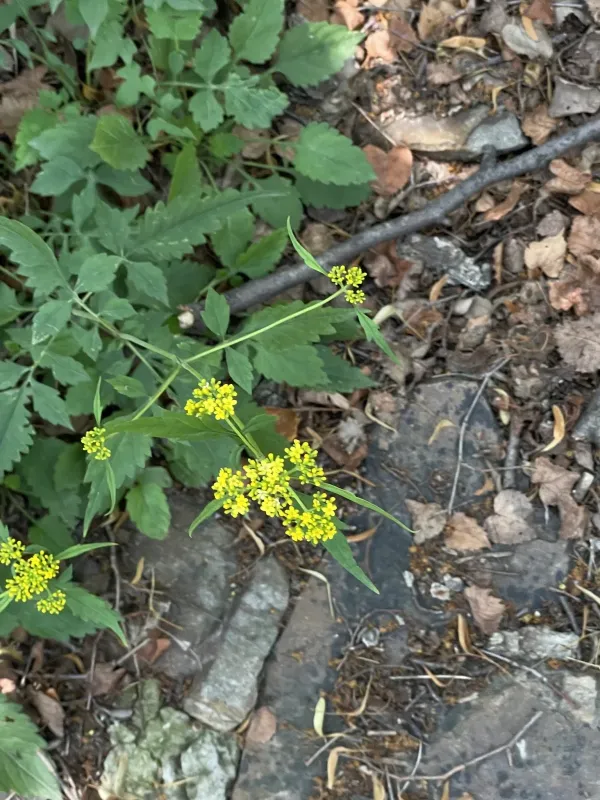
Description
Sowing dates
Sowing Patrinia heterophylla seeds is best performed in the late autumn, as the seeds require a period of cold stratification to break dormancy and ensure uniform germination.
If sowing in the spring, it is essential to keep the seeds in a refrigerated environment for at least six weeks to simulate winter conditions and boost seedling emergence.
The seeds should be sown shallowly, barely covering them with a thin layer of soil, because light can be a beneficial factor for the germination of this species.
For container-based propagation, use a lightweight, well-draining soil mix and maintain a constant temperature of approximately 18 degrees Celsius during the initial growth phase.
Once seedlings have developed two sets of true leaves, they can be hardened off and transplanted to their permanent location in the garden with adequate spacing.
Growing requirements
Patrinia heterophylla thrives in positions that receive full sun to partial shade, making it a versatile candidate for various garden environments and field conditions.
The ideal soil for this species is a nutrient-rich, loamy soil with excellent drainage, as the plant is sensitive to waterlogged conditions that can cause root distress.
Consistent moisture levels are required during the growing season, especially in the spring and early summer when the plant is rapidly expanding its foliage.
This perennial is known for its hardiness, but it benefits significantly from a layer of organic mulch during the winter to protect the crown from extreme temperature fluctuations.
Routine weeding and soil aeration around the base of the plant help prevent the competition for nutrients and promote vigorous root system development throughout the cycle.
Main diseases and pests
Root rot is the most significant threat to Patrinia heterophylla, typically occurring in heavy soils with poor drainage or during extended periods of extreme wet weather.
Powdery mildew may develop on the leaves if the air circulation is poor, particularly in dense plantings where moisture can get trapped between the leaves.
Aphids can be a common pest during the blooming stage, targeting the flower stalks and potentially causing deformities in the developing blossoms.
Slugs and snails often feed on young, succulent leaves, necessitating the use of natural barriers or protective covers during the early stages of plant growth.
Integrated pest management, including the use of beneficial insects and proper spacing, is recommended to keep the plant healthy without heavy reliance on chemicals.
Harvesting
The aerial parts of the plant should be harvested at the height of the flowering period when the active compounds are most concentrated in the tissues.
Roots should be carefully excavated in the autumn, once the plant has entered its dormancy phase, ensuring that the primary medicinal parts are not damaged.
Drying the harvested material quickly in a dark, well-ventilated space is crucial to preserving the chemical profile and preventing the growth of molds.
Seeds should be collected as soon as they reach maturity and turn brown, as they can disperse easily in the wind if left on the plant for too long.
Proper storage involves using airtight containers in a cool, dry place to maintain the viability of the seeds and the potency of the herbal material over time.