
Patrinia sibirica
Patrinia sibirica
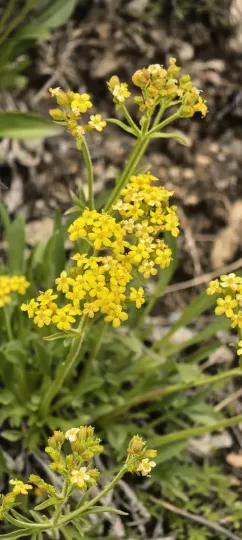
Description
Sowing dates
Sowing Patrinia sibirica is best performed in late autumn to allow the seeds to undergo natural stratification during the winter season.
If spring sowing is required, seeds must be kept in cold storage at temperatures around +4°C for approximately six weeks to break dormancy.
Seeds should be planted at a shallow depth of about 1 centimeter, ensuring they remain in contact with moist but well-drained soil.
It is recommended to use row spacing of 30 to 40 centimeters to facilitate inter-row weeding and ensure proper air circulation for the developing seedlings.
Germination is often slow and uneven, requiring patience and consistent moisture management during the first few weeks of the growth cycle.
Growing requirements
Patrinia sibirica belongs to the Caprifoliaceae family and is recognized for its extreme winter hardiness, naturally adapting to the harsh Siberian climate.
This species thrives in full sunlight and is highly intolerant of shade, making open field cultivation the most suitable method for commercial production.
The ideal substrate is sandy, rocky, or gravelly soil, as the plant naturally inhabits mountain slopes and dry steppes where drainage is excellent.
Waterlogging is the primary environmental factor that limits the growth of this plant; thus, fields must have a significant slope or high-permeability soil.
The plant demonstrates remarkable drought resistance once established, requiring little to no supplemental irrigation even in arid summer conditions.
Main diseases and pests
The most significant threat to a Patrinia sibirica plantation is root rot, typically triggered by high soil moisture levels or poor drainage systems.
Fungal pathogens can spread rapidly in dense stands, so maintaining proper plant spacing is essential to reduce the micro-humidity around the foliage.
Aphids can infest the plant during the early stages of the growing season, potentially stunting growth and reducing the quality of the harvested roots.
Leaf-eating insects can also present a challenge, necessitating routine field inspections and the removal of severely affected plant material to prevent spread.
Integrated pest management strategies focusing on cultural practices, such as proper weeding and spacing, are preferred over chemical interventions.
Harvesting
The primary economic focus for this crop is the harvesting of its roots, which contain active compounds widely valued for their traditional medicinal properties.
Harvesting should occur in the autumn of the plant's second or third year, when the root system has reached sufficient maturity and density.
The roots must be carefully extracted from the soil, rinsed thoroughly to remove grit, and processed immediately to prevent microbial degradation.
Drying is a critical phase where the roots are kept in a temperature-controlled environment below 50°C to preserve the integrity of the active ingredients.
Once dried to a low moisture content, the product should be stored in cool, dark, and dry conditions to ensure long-term stability and market value.