
Nardostachys
Nardostachys
Nardostachys (Nardostachys jatamansi) is a perennial herbaceous plant belonging to the Caprifoliaceae family. Native to the alpine and sub-alpine regions of the Himalayas, it is widely recognized for its rhizomes, which are a source of valuable essential oil used in traditional medicine and perfumery.
What the section contains

Nardostachys
The plant thrives in well-drained, stony soils with high organic matter content. It requires specific ecological niches that mimic the cool, moist conditions of high-altitude environments, making it challenging to cultivate in standard lowland agricultural settings.
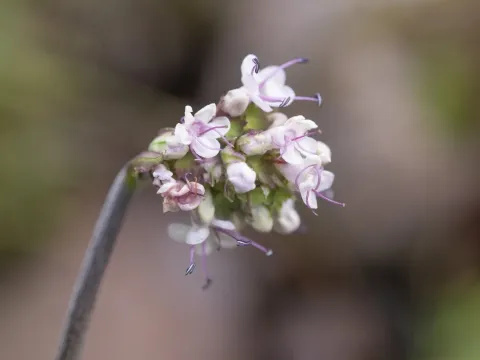
Botanically, the plant features a robust rhizome covered with fibrous remains of old leaves. The aerial part consists of a basal rosette of spatulate leaves and a flowering stalk that produces small, bell-shaped, light purple flowers during the peak growing season.
Economically, Nardostachys is a niche crop harvested for its essential oil, known as spikenard oil. This product is highly sought after for its sedative and anti-inflammatory properties, making it a critical component for specialty pharmaceutical and cosmetic industries.
Cultivation requires careful site selection, ensuring appropriate slope exposure and moisture levels. Given its slow growth rate, the plant is typically propagated via root division or specialized seed germination techniques, which remain the focus of modern agrotechnical research.
Root rot is the most significant disease threat to Nardostachys, often triggered by waterlogged soil conditions and poor drainage systems.
Soil-borne pests such as nematodes can severely damage the rhizomes, leading to a substantial loss in both quality and quantity of the harvestable product.
Weed competition is a constant threat during the early stages of establishment, as the slow-growing nature of the plant makes it susceptible to being outcompeted.
Climate change and habitat loss represent external threats to wild populations, emphasizing the importance of sustainable domestication and proper agricultural management.
Integrated pest management strategies focusing on physical and biological controls are preferred to maintain the organic integrity of the essential oils produced.