
Narrow-leaf honeysuckle
Lonicera angustifolia
Description
Growing requirements
Narrow-leaf honeysuckle (Lonicera angustifolia) is a deciduous shrub belonging to the Caprifoliaceae family. Native to the mountainous regions of the Himalayas, this plant has adapted to diverse environments, typically favoring rocky slopes with excellent natural drainage and cool atmospheric conditions.
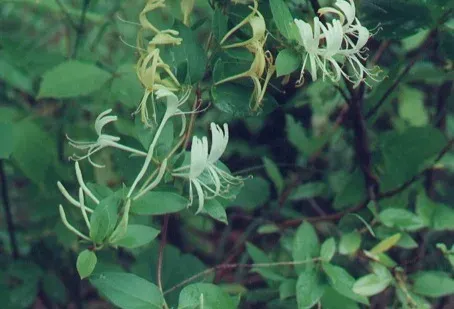
The botanical characteristics of this species include slender, lanceolate foliage and a compact, elegant growth habit. These features make it highly adaptable for both ornamental garden designs and experimental cultivation in temperate climate zones, where its resilience to cold is particularly valued.
Cultivation requires fertile, well-draining soils with a pH ranging from slightly acidic to neutral. The plant performs best in locations that receive ample sunlight but are shielded from strong, desiccating winds, which can damage the delicate narrow leaves during the active growing season.
Agrotechnical management involves consistent soil moisture levels, particularly during the flowering and fruit development phases. Mulching with organic matter is highly recommended to regulate soil temperature, suppress competing weed growth, and maintain necessary nutrient levels in the upper soil profile.
Strategic pruning is essential for maintaining the vigor and health of the shrub. By selectively thinning the branches, growers can ensure adequate light penetration to the inner canopy, which promotes uniform growth and helps in managing the overall size and productivity of the plant.
Main diseases and pests
The most common disease affecting Lonicera angustifolia is powdery mildew, which appears as a white, dusty layer on the leaf surface. This fungal issue is typically triggered by stagnant air and high humidity, necessitating proper spacing and regular thinning of the branches to improve airflow.
Insect pests, including aphids and leaf-rollers, often target tender new growth during the spring months. Regular scouting is essential to catch early infestations, where localized treatment with insecticidal soaps or biological control agents is often sufficient to manage the population.
Root rot, caused by various soil-borne pathogens, remains a significant threat if drainage is inadequate. Ensuring that the soil remains aerated and that water does not pool around the base of the shrub is the primary defense strategy against these harmful organisms.
Fungal leaf spot diseases can also occur in periods of prolonged rainfall. Preventive measures include cleaning up fallen debris around the plant, as this material often serves as an overwintering site for spores that can reinfect the shrub in the following season.
A balanced approach to plant nutrition helps strengthen the shrub's natural resistance to pests and diseases. Avoiding excessive nitrogen application, which can lead to soft, susceptible growth, is key to maintaining a resilient plant capable of recovering from minor pest damage.