
Patrinia gibbosa
Patrinia gibbosa
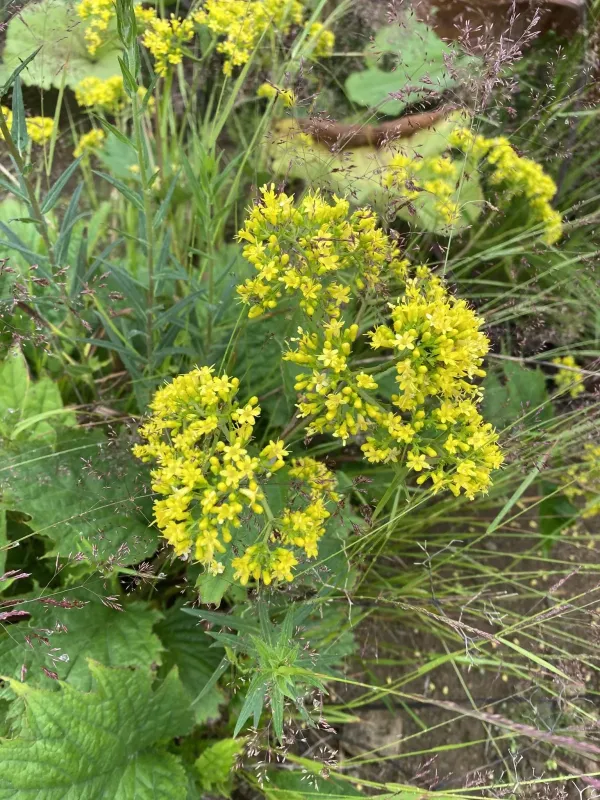
Description
Sowing dates
Patrinia gibbosa, a member of the Valerianaceae family, is a distinct perennial plant. The seeds should ideally be sown in late autumn to allow for natural stratification, as they require cold temperatures for at least 1–2 months to break dormancy.
If sowing in the spring, seeds must be cold-stratified in a refrigerator at +2...+4°C. They should be sown on the surface of a light seed-starting mix, as they require light to germinate effectively.
Germination can be irregular, so maintaining consistent moisture levels is critical. Once the first pair of true leaves appears, seedlings should be pricked out into individual pots or nursery beds.
Transplanting to the final location is best done in the second year or late summer of the first year, provided the plants are well-established. Proper spacing of 30–40 cm is necessary for healthy development.
Vegetative propagation by division is also possible and is often preferred to ensure genetic uniformity and faster establishment of mature, blooming plants.
Growing requirements
Native to the Far East and Japan, Patrinia gibbosa thrives in open, sunny locations, though it can tolerate light partial shade during the hottest parts of the day.
The soil should be fertile, well-draining, and slightly acidic to neutral. High-clay or waterlogged soils must be avoided as they lead to root rot, which is the most common cause of plant failure.
This perennial is highly cold-hardy and requires no special protection during winter in temperate zones, provided there is a stable snow cover or the soil is not overly saturated before freezing.
Regular watering is essential, especially during dry spells in the early growing season. However, once established, the plant shows moderate drought tolerance, provided the root zone remains cool.
Fertilization with a balanced, slow-release fertilizer in early spring and again just before flowering promotes vigorous foliage growth and abundant, bright yellow blooms.
Main diseases and pests
The most significant threat to the plant is poor soil drainage, which inevitably leads to fungal root rot. Ensuring a porous soil structure is the best preventative measure against this.
Pests like aphids and spider mites may occasionally affect the foliage, particularly in warm, dry weather. Biological pest controls or gentle soap-based sprays are usually sufficient for management.
Powdery mildew can appear if the plant is grown in overcrowded conditions with poor airflow. Maintaining adequate spacing and removing dead foliage helps to mitigate this risk.
- Root rot (caused by waterlogged soil).
- Powdery mildew (fungal infection on leaves).
- Aphids (sucking insects on young stems).
- Spider mites (thrive in hot, dry conditions).
Slugs and snails can pose a threat to young seedlings in the spring. Protective barriers or gravel mulch around the base of the plant can help keep these pests away from the crown.
Harvesting
The primary use for Patrinia gibbosa is medicinal, focusing on its roots and rhizomes. These are harvested in the autumn after the foliage has naturally begun to yellow and die back.
Harvested roots should be washed thoroughly in cool water to remove soil and then dried in a well-ventilated area or an herb dryer at temperatures below 45°C to preserve active compounds.
The plant also serves as a high-quality ornamental. Flower stems can be cut when the corymbs are in full bloom to be used in fresh flower arrangements, adding long-lasting yellow color.
Seed collection is performed at the end of summer. As the seed pods turn brown, they should be collected promptly to prevent loss, as they shatter easily when fully dry.
Stored dried roots should be kept in a cool, dark, and dry environment in breathable containers, maintaining their potency for approximately two to three years.