
Patrinia triloba
Patrinia triloba
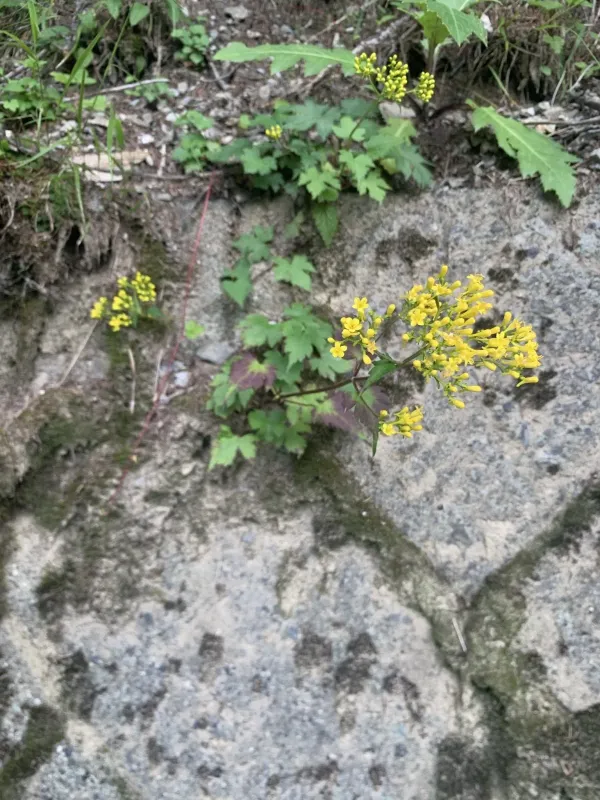
Description
Sowing dates
Seeds of Patrinia triloba are preferably sown in late autumn in open ground or indoors in March for transplanting. Sowing before winter provides natural stratification, which significantly increases germination rates in spring.
For spring sowing, seeds require prior cold stratification in a refrigerator for 30–45 days. Transplanting the prepared seedlings to their permanent location is carried out after the risk of night frost has passed, ideally in late May.
The planting scheme should account for the perennial nature of the crop, leaving a spacing of 30 to 40 centimeters between plants. This ensures sufficient space for the development of a robust root system and a full foliage rosette.
The sowing depth in soil should not exceed 0.5 to 1 centimeter. Small seeds require firm soil contact and regular moisture until emergence is achieved.
It is important to select sites protected from strong winds and direct burning sun during midday hours. The crop shows better establishment in cultivated plots with good soil structure.
Growing requirements
Patrinia triloba belongs to the Valerianaceae family and is a perennial herbaceous plant with a strong, branched rhizome. In its natural habitat, it is found on rocky slopes and in open forests of East Asia, which defines its environmental preferences.
The crop prefers light, well-drained loamy or sandy soils with a neutral or slightly acidic reaction. Stagnant water in the root zone is fatal to the plant, so drainage is mandatory when planting in heavy soils.
The plant is moderately light-loving but tolerates light shading, especially in regions with hot climates. Under sufficient lighting, Patrinia forms denser foliage and blooms more abundantly with small yellow flowers.
Moisture requirements are moderate: Patrinia tolerates short-term drought better than excessive waterlogging. Regular watering is necessary mainly in the first year of the plant's life and during extreme heat periods.
Agricultural practices include timely loosening of row spacing and mulching to conserve moisture. Mineral fertilizer application is recommended during the active growth phase, focusing on potassium-phosphorus compositions.
Yield
The economic value of Patrinia lies in the use of its rhizomes, which contain biologically active compounds, including saponins and flavonoids. The yield of dry raw material depends on the age of the plantings and the intensity of agricultural care.
The plant reaches optimal development and accumulation of active substances in the third year of vegetation. During this period, rhizomes reach maximum size and have the most pronounced chemical profile, valued in the pharmaceutical industry.
With proper agronomy, the yield of raw root mass can vary from 0.5 to 1.2 kilograms per square meter. After drying, the weight of the material decreases by 3 to 4 times depending on the processing method.
The yield of the above-ground part is also of interest for decorative gardening, where Patrinia is used as a perennial for landscape design. Planting density allows for the creation of aesthetically pleasing patches.
For higher yields, annual application of organic fertilizers, such as well-rotted compost, is recommended to improve soil fertility and stimulate root system growth.
Main diseases and pests
Patrinia triloba possesses a high level of natural immunity, but under conditions of high humidity, it may suffer from fungal infections such as root rot. Prevention includes maintaining proper watering regimes and preventing water stagnation.
Among pests, slugs and snails pose the greatest threat, damaging young leaves at the beginning of the season. Manual collection or installing physical barriers around the plants is recommended.
In some years, aphid infestations may occur, sucking sap from young shoots and flower stalks. In such cases, mild insecticides or insecticidal herbal extracts are used to ensure the eco-friendliness of the final product.
Powdery mildew can occur during sharp fluctuations in temperature and air humidity. An effective control method is removing affected leaves and using biofungicides for prevention.
General cleanliness of the field and the absence of weeds significantly reduce the risks of disease and pest spread in Patrinia plantings.
Harvesting
Harvesting of Patrinia rhizomes is carried out in the autumn of the third year of growth, when the outflow of nutrients from the aerial parts to the underground organs is completed. This ensures the best quality of medicinal raw material.
The rhizomes are carefully dug out with garden forks, taking care not to damage the main part of the root system. After extraction, roots are cleaned of soil residues and old dead parts, then thoroughly washed in running water.
The drying process is performed in the shade under a canopy with good ventilation or in driers at temperatures not exceeding 45–50 degrees Celsius. Overheating can lead to the destruction of valuable chemical components.
Dried material is stored in paper bags or wooden containers in dry, cool, well-ventilated rooms, protected from direct sunlight and moisture penetration.
With proper drying and storage conditions, the raw material maintains its biological activity for 2 to 3 years, after which its efficacy gradually decreases.