
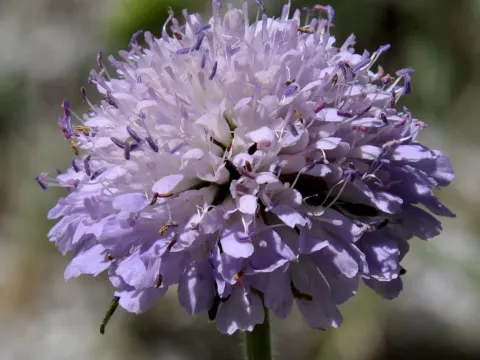
Knautia magnifica
Knautia magnifica
The sowing of Knautia magnifica is best performed in late autumn or early spring after the seeds have undergone a cold stratification period. For direct outdoor sowing, April is the ideal time when the soil temperatures consistently reach 10-12 degrees Celsius.
What the section contains
Knautia magnifica
For earlier flowering, the culture can be started indoors in seed trays during March. Seeds should be sown at a shallow depth of approximately 0.5-1 cm, as they require light to germinate effectively.
Spacing is a critical factor for successful growth; plants should be set at least 30-40 cm apart to ensure proper air circulation and root development. Keeping the soil consistently moist until germination is essential.
Once the seedlings have produced two or three sets of true leaves, they can be thinned or transplanted. The plants exhibit vigorous growth rates under conditions of sufficient natural light.
Vegetative propagation via root division is also a highly effective method, which should be conducted during the early autumn or early spring before the start of the active vegetation cycle.
Knautia magnifica belongs to the Caprifoliaceae family and is recognized as a hardy herbaceous perennial. Its native mountain habitat accounts for its exceptional resilience to varied temperature fluctuations.
This species thrives in open, sunny locations, though it can tolerate partial shade during the hottest parts of the day. Maximum flower production is achieved when the plant receives ample direct sunlight.
The plant is not particularly demanding regarding soil composition but prefers light, well-drained loams with a neutral or slightly alkaline pH. Drainage is of paramount importance to prevent waterlogging.
The culture displays high frost resistance and generally does not require winter protection in temperate climate zones. During prolonged drought, moderate irrigation is recommended to maintain the aesthetic appeal of the flower heads.
Routine horticultural maintenance involves periodic weeding and gentle soil cultivation around the plant base to improve aeration and discourage competing weeds from hindering growth.
The primary agricultural and horticultural value of Knautia magnifica lies in its use as a sustainable ornamental plant for landscaping. It is highly valued for its long-lasting bloom, which persists from mid-summer until the first frosts.
Knautia magnifica serves as an excellent nectar source, attracting a diverse range of pollinators, including bees and butterflies. This makes it an essential component for wildflower meadows and biodiversity-focused garden projects.
Excessive nitrogen fertilization can lead to a decrease in flower production, as the plant will prioritize vegetative growth over reproductive display. Balanced, low-nitrogen fertilizers are suggested to support optimal flowering.
The flower stems are suitable for cut flower production and floral arrangements, as they maintain freshness for an extended period. Group plantings create a striking, naturalistic visual impact in any border garden.
With correct horticultural practices, a single mature specimen is capable of producing dozens of stems throughout the season, ensuring a consistent decorative presence in the landscape.
Knautia magnifica possesses a robust natural immune system, although humid conditions can occasionally lead to the development of powdery mildew. Ensuring adequate spacing is the best preventive strategy against fungal outbreaks.
Pests are generally not a major concern; however, aphids may occasionally congregate on younger shoots. Biological control methods are recommended if intervention becomes necessary to manage local populations.
Root rot remains a potential risk in heavy, poorly drained soils where water stagnation occurs. Establishing a proper drainage layer at the time of planting is crucial for the long-term health of the perennial.
Occasional leaf damage from insect larvae can be observed, which is best addressed through routine observation and prompt removal of heavily infested leaves. Chemical treatments are rarely needed.
Regular inspection of the foliage and the removal of spent flower heads help to reduce the risk of pathogen spread, ensuring the plant remains healthy and vigorous throughout its multi-year life cycle.