
Knautia nevadensis
Knautia nevadensis
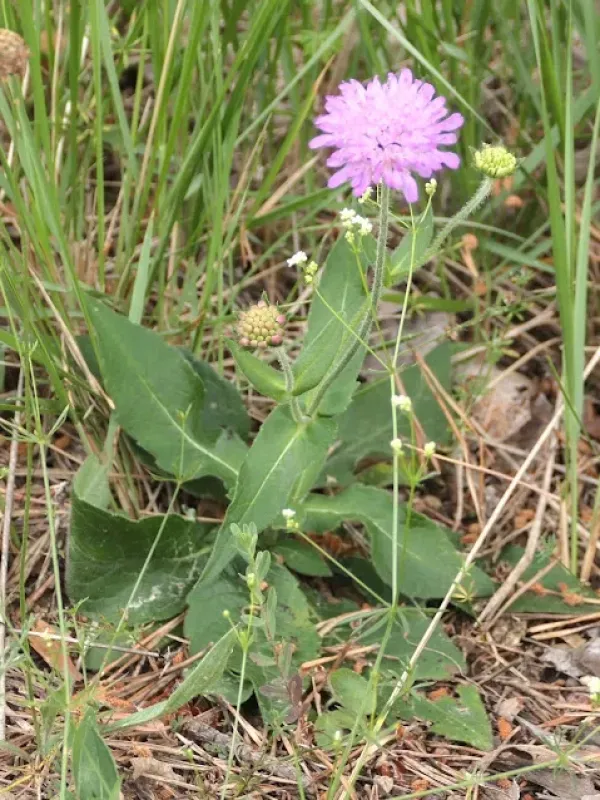
Description
Sowing dates
Knautia nevadensis is a perennial plant species from the Caprifoliaceae family, native to the high-altitude regions of Spain. Sowing seeds for agricultural purposes is best performed in the autumn, allowing the seeds to undergo natural stratification through exposure to winter temperatures, which ensures optimal germination rates in the spring.
If sowing in the spring, seeds must be artificially stratified for approximately four weeks at cool temperatures. The sowing depth should be shallow, generally not exceeding one centimeter, as the seeds require sufficient light exposure to initiate the germination process successfully.
Starting the culture from transplants is a common practice to achieve more robust plants. Seeds are sown in trays during late winter in a temperature-controlled environment, ensuring they receive enough light to avoid etiolation of the young seedlings before they are moved to the field.
When transplanting into the final location, spacing should be maintained at approximately 35 to 40 centimeters apart. This spacing is vital for ensuring adequate air circulation around the base of the plant, which is critical in preventing the development of fungal diseases.
Watering should be managed carefully during the establishment phase, ensuring the soil remains consistently moist but not waterlogged. Once the root system is well-developed, the plant demonstrates significant resilience to temporary dry conditions.
Growing requirements
This species thrives in well-drained, calcareous, or stony soils that mimic its natural alpine habitat. Ensuring high levels of soil drainage is the most important factor in preventing root rot, which is the primary cause of plant failure in agricultural settings.
The plant requires full sun exposure for the majority of the day. Insufficient sunlight will lead to weak stems, reduced leaf density, and a significant decrease in the number of flowers produced during the growing season.
Knautia nevadensis prefers a neutral to slightly alkaline pH level. In acidic soil environments, the plant exhibits stunted growth, which can be corrected by applying agricultural lime or dolomite to the soil surface before planting.
Fertilization should be handled with caution. Being adapted to nutrient-poor soils, an excess of nitrogen fertilizer can be counterproductive, leading to excessive foliage growth at the expense of flower and seed production. A balanced, low-dose organic fertilizer is usually sufficient.
- Requires full solar exposure.
- Needs excellent soil drainage.
- Prefers neutral to alkaline pH.
- Benefits from occasional weeding.
- Resistant to cold and minor droughts.
Yield
The yield of Knautia nevadensis is highly dependent on environmental conditions and the age of the plantation. The plant achieves its maximum biomass productivity in its second and third years, when it develops a mature, extensive root system and broad leaf rosettes.
In terms of forage value, the plant can be harvested before the full bloom stage. Cutting at this phase ensures the highest concentration of nutrients in the foliage, making it a valuable addition to hay mixes in mountainous regions.
Seed production yields are variable and require careful monitoring of the seed heads. Harvesting should be performed incrementally as the heads turn brown to avoid premature seed shattering, which is common in this genus.
As a melliferous plant, its productive potential is tied to the local pollinator population. In seasons with favorable weather, the flower density provides a significant amount of nectar, supporting local beekeeping efforts.
Overall, the plant is valued for its steady multi-year performance. Once established in a suitable location, it provides consistent results with minimal need for intensive management or frequent replanting.
Main diseases and pests
The primary threat to Knautia nevadensis is moisture-related fungal infections. Powdery mildew is a common issue during humid summers, necessitating the use of improved spacing and airflow to mitigate the spread of spores between individual plants.
Pests such as aphids and spider mites can attack the plants during particularly dry spells, focusing on the tender growth of the flower stalks. Regular inspection and the application of mild, organic-based insecticidal soaps are usually effective in managing these outbreaks.
Root rot is the most dangerous condition for this crop, usually triggered by waterlogging in the root zone. Proper soil preparation, including the addition of sand or gravel, is the best preventative measure against this physiological threat.
Winter dormancy provides a natural break for the plant, but excessive ice coverage or standing water during winter thaws can lead to rot at the crown. Ensuring the plantation site has a slight natural slope helps to drain excess moisture away from the plants.
Generally, the plant is quite hardy and resistant to most common agricultural pests. By focusing on site selection and soil health, growers can achieve high-quality yields with minimal reliance on chemical pesticides.