
Knautia subcanescens
Knautia subcanescens
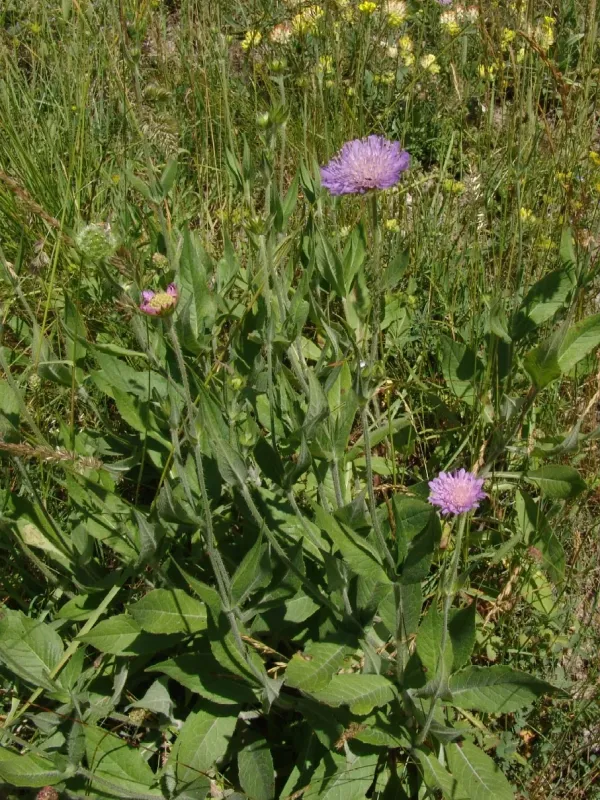
Description
Growing requirements
Knautia subcanescens is a herbaceous perennial plant belonging to the Caprifoliaceae family. It is known for its distinct grayish pubescence and its ability to thrive in various steppe and meadow environments across its native range.
The plant demonstrates significant environmental resilience, making it a suitable candidate for marginal lands. Its biological structure allows for high drought resistance while maintaining continuous biomass production throughout the peak growing season.
Requirements for successful cultivation include well-drained, nutrient-rich soils and full sunlight exposure. The crop does not perform well in waterlogged conditions, so choosing a site with proper natural or artificial drainage is essential for longevity.
Agronomic management involves standard practices for perennial legumes and herbs, focusing on weed suppression during the establishment phase. Once established, the plant shows strong competitive abilities against invasive weed species.
In terms of хозяйственная utilization, it serves as an excellent forage component for livestock and acts as a high-quality honey plant. Its ability to attract pollinators makes it an important ecological asset in integrated farming systems.
Main diseases and pests
The main disease risks for this crop involve powdery mildew, which typically appears during humid periods with stagnant air. Maintaining proper planting density helps to minimize these risks and improves overall airflow in the canopy.
In terms of pests, aphids and leaf-eating beetles can occasionally cause damage to the foliage. Integrated pest management strategies, focusing on biological controls and monitoring, are the most effective way to protect the crop yield.