
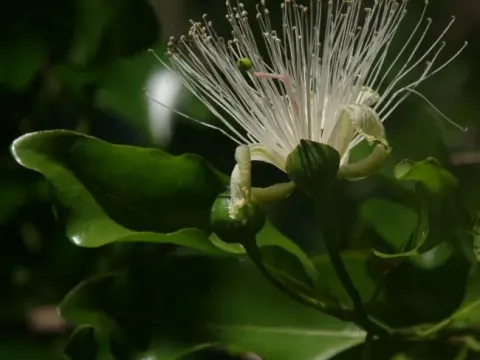
Shining caper
Capparis lucida
The Shining Caper (Capparis lucida) is a woody evergreen shrub belonging to the Capparaceae family. It is naturally adapted to arid and semi-arid environments, displaying significant tolerance to heat stress and low-nutrient soils in its native habitat.
What the section contains
Shining caper
The plant thrives in full sun exposure, which is critical for maximizing both vegetative growth and the production of reproductive buds. Inadequate sunlight leads to etiolated stems and a marked decline in overall plant productivity and vitality.
Soil requirements for Capparis lucida are strict regarding drainage. It requires loose, rocky, or sandy substrates that prevent waterlogging. The taproot system is expansive, requiring deep, aerated soil profiles to avoid the risk of root rot during irrigation cycles.
Climate tolerance for this species centers on warm temperatures. It is highly sensitive to frost, which limits its commercial cultivation to frost-free zones or protected environments such as greenhouses. It does not require high humidity and thrives in dry, temperate conditions.
Agrotechnical maintenance includes proactive weed control to prevent competition for nutrients and water. While the plant is drought-resistant once established, young plants benefit from supplemental irrigation to ensure robust root system development during the first year of planting.
Root rot caused by Phytophthora or Pythium species is the most severe threat to Capparis lucida plantations. These pathogens thrive in stagnant water conditions, making soil moisture management the most vital aspect of disease prevention.
Spider mites are common pests in dry and hot conditions, attacking the undersides of leaves and sucking plant juices. Implementing high-pressure water misting or specific acaricides helps maintain population levels below the damage threshold.
Various aphid species may colonize new shoots during the spring growth flush. Although these pests rarely kill mature shrubs, they can stunt growth and transmit viral diseases, necessitating periodic monitoring and localized treatments.
Fungal leaf spots can occur if the canopy remains wet for prolonged periods. Ensuring proper plant spacing to facilitate airflow is a standard preventative measure to keep the foliage dry and reduce the risk of infection.
Invasion of root-knot nematodes can compromise the plant's ability to absorb water, particularly in sandy soils. Soil analysis before planting and the use of resistant rootstocks or organic amendments are recommended to mitigate long-term damage to the root system.