
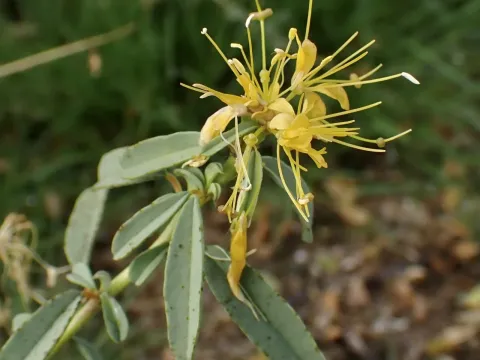
Peritoma
Peritoma
Peritoma, commonly known as Cleome, is a warm-season crop that requires careful timing for sowing, as it is highly sensitive to frost and cold spring temperatures.
What the section contains

Peritoma
In temperate climates, the preferred method is to start seeds indoors 6 to 8 weeks before the last frost date to ensure strong seedlings are ready for transplanting.
Direct sowing in the field is only recommended once the soil has warmed up significantly and all danger of frost has passed, as cold soil inhibits germination.
Seeds should be planted at a shallow depth of approximately 1 to 1.5 centimeters, as they require light and consistent moisture levels to break dormancy and germinate.
Adequate spacing is crucial for this crop; planting seedlings at least 30 to 40 centimeters apart allows for sufficient air circulation, which reduces the risk of fungal infections.
As a member of the Capparaceae family, Peritoma thrives in full sunlight, necessitating an open location that receives at least six to eight hours of direct light daily.
The crop prefers well-drained, fertile soil with a neutral to slightly alkaline pH; it is essential to avoid sites prone to waterlogging, as the roots are susceptible to decay.
While the plant is somewhat drought-tolerant once established, regular and moderate irrigation is recommended during the peak of summer to ensure continuous blooming.
Soil amendments such as organic compost or balanced fertilizers high in phosphorus and potassium are recommended to promote healthy root development and vibrant flowering.
The optimal temperature range for development is between 20 and 25 degrees Celsius, though the plant can tolerate heat stress if soil moisture remains adequate.
The primary agricultural and economic use of Peritoma is in the ornamental horticulture sector, where it is valued for its dramatic height and unique, spider-like flowers.
The yield of a Peritoma crop is measured by the quality and quantity of flower spikes, which are heavily utilized in professional landscaping and garden design projects.
In seed production, success is highly dependent on pollinator activity, as the flowers are specifically adapted to attract bees and butterflies, which facilitate fertilization.
Commercial growers maximize yield by applying precise fertilization programs and ensuring consistent irrigation, which keeps the plants in a vegetative and reproductive state for longer.
By effectively managing the growth environment, farmers can provide a sustainable supply of this plant for cut-flower markets and nursery distribution throughout the growing season.
The most common disease threats to Peritoma include powdery mildew and root rot, which typically manifest when planting density is too high or soil drainage is poor.
Pests such as aphids and spider mites are frequent invaders, especially during hot, dry periods when plants are under water stress and have weakened natural defenses.
Effective management involves an Integrated Pest Management (IPM) approach, utilizing biological controls or targeted insecticides while avoiding harm to essential pollinators.
Sanitation practices, such as removing debris and infected plant tissues immediately upon discovery, are critical to preventing the spread of fungal spores across the field.
Regular monitoring of the canopy and base of the plants allows for early detection of potential outbreaks, enabling timely intervention to preserve the health of the entire crop.