
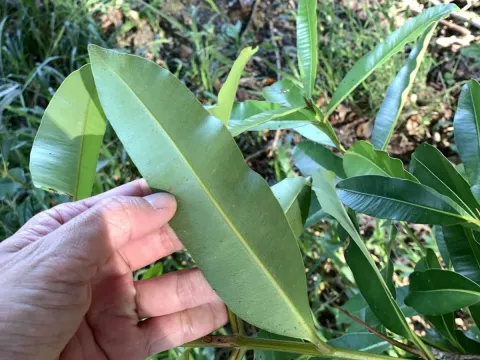
Calophyllum calaba
Calophyllum calaba
Calophyllum calaba is an evergreen tree belonging to the Clusiaceae family, natively thriving in the tropical environments of the Caribbean and South America.
What the section contains
Calophyllum calaba
The species requires a consistently warm and humid climate, making it highly dependent on tropical weather patterns with minimal seasonal fluctuations in temperature.
Optimal growth conditions involve deep, fertile, and well-drained soils, typically found in alluvial plains where moisture is naturally available throughout the year.
While the tree appreciates full sunlight, juvenile plants are often grown under canopy shade to prevent heat stress and ensure proper structural development.
Soil pH should remain within the slightly acidic to neutral range; alkaline or waterlogged soils are generally detrimental to the health and longevity of the trees.
The economic potential of Calophyllum calaba is largely defined by its seeds, which serve as a primary source of high-quality oil used extensively in skin care and medicine.
Beyond oil extraction, the wood is highly valued in local carpentry and construction due to its resistance to decay, termites, and other wood-boring insects.
Sustainable plantation management typically results in substantial annual yields once the trees reach maturity, usually appearing within the first decade of growth.
- Oil extraction efficiency
- Timber strength and durability
- Secondary medicinal extracts
- Sustainable harvest cycles
Post-harvest processing involves drying the fruit to stabilize oil content and prevent degradation of the active components before extraction begins.
Fungal diseases related to high humidity represent the most significant threat to plantation stability, often affecting the root systems and the underside of leaves.
Common pests include various leaf-chewing insects and sap-suckers that can weaken young specimens and lead to reduced overall growth rates and poor yields.
Integrated pest management strategies focusing on canopy air circulation and regular monitoring are essential to prevent localized outbreaks from becoming plantation-wide.
Disease prevention also relies on selecting resistant cultivars and maintaining adequate tree spacing to ensure that solar radiation reaches the lower branches.
If chemical interventions are necessary, they should be applied judiciously, favoring products that are compatible with organic certification standards for cosmetic oils.