
Calophyllum bicolor
Calophyllum bicolor
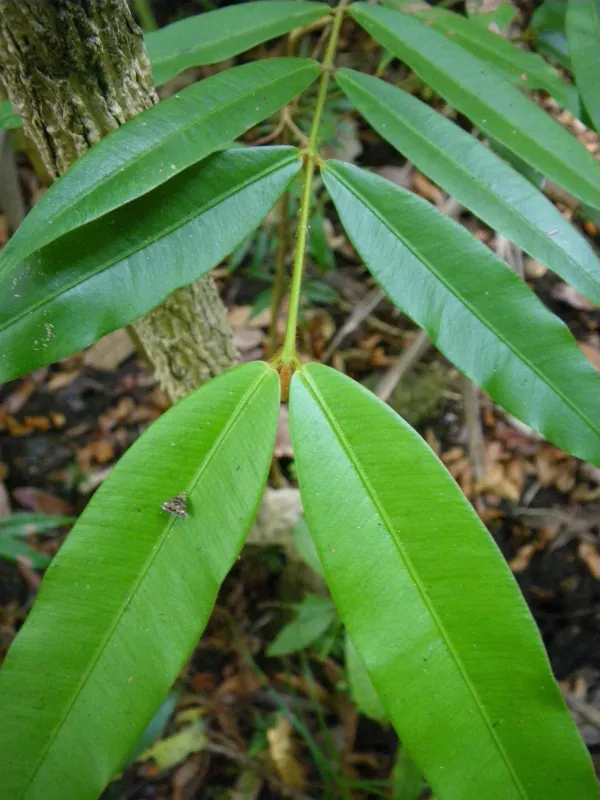
Description
Growing requirements
Calophyllum bicolor is a member of the Clusiaceae family. It is an evergreen tropical tree species native to the rainforests of Southeast Asia, where it thrives in high-humidity, warm environments.
The cultivation of this species requires deep, fertile, and well-drained soils. Optimal growth is observed in regions with consistent rainfall patterns and temperatures that remain stable throughout the year.
Botanically, the tree is characterized by its dense wood structure and a broad, evergreen canopy. Its physiology allows it to thrive in competitive forest environments where light availability fluctuates.
Agronomic practices for this species focus on sustainable plantation management. Proper spacing and light management during the early growth stages are essential to ensure the development of a straight, high-quality trunk.
The primary economic use of Calophyllum bicolor is its high-quality timber, which is highly sought after for furniture making, boat building, and premium architectural applications due to its durability and appearance.
Main diseases and pests
Fungal diseases affecting the root system represent the primary threat to the plantation's success, especially in poorly drained sites where water stagnation is common. These infections can severely compromise the structural integrity of the timber.
Stem borers are recognized as major insect pests that target both seedlings and established trees. They create tunnels within the wood, which not only stunts growth but also creates entry points for secondary fungal infections.
Environmental stress, such as prolonged drought periods, significantly lowers the tree's natural resistance to diseases. Maintaining optimal moisture levels is critical for sustaining the health of the stand.
Integrated pest management strategies are often employed to monitor the presence of vectors. This approach relies on biological control agents and sustainable forest practices to reduce the reliance on synthetic chemicals.
Routine sanitary monitoring is an essential part of plantation maintenance. By identifying and isolating affected individuals early, foresters can prevent the widespread outbreak of pests and pathogens within the cultivated area.