
Calophyllum depressinervosum
Calophyllum depressinervosum
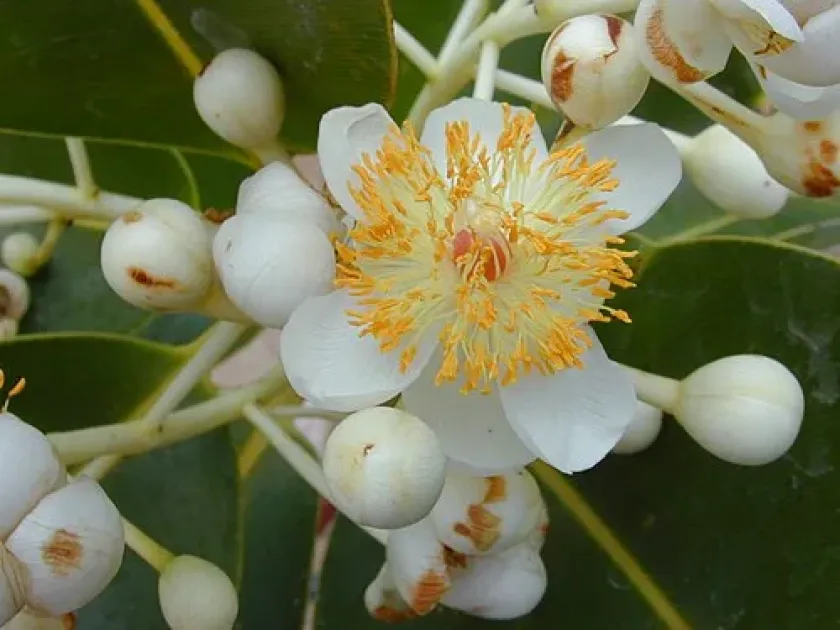
Description
Growing requirements
Calophyllum depressinervosum is a member of the Clusiaceae family, native to tropical environments where high humidity and temperatures prevail year-round. This tree species is biologically adapted to the competitive environment of tropical rainforests, requiring stable climatic conditions for optimal vegetative growth.
Regarding soil requirements, this species thrives in deep, fertile soils that provide sufficient moisture retention while ensuring adequate drainage. Excessive waterlogging can inhibit root development, so site selection in agricultural or forestry settings must prioritize well-aerated soil profiles.
Botanically, the plant is characterized by its distinct leaf venation and a dense, structural timber formation. It is a slow-growing species that invests significantly in wood density, which makes it a valuable asset for long-term forestry projects aimed at timber production.
Cultivation practices necessitate careful management of canopy density during the early stages of growth, as saplings often require partial shading to prevent desiccation. Consistent rainfall or supplemental irrigation is required to maintain physiological processes throughout the year.
The primary economic application of this tree is the production of premium-grade timber, which is valued for its strength and durability. Additionally, the species contributes significantly to local ecological stability, acting as an important component of the ecosystem in its native range.