
Brunia
Brunia
Seeds of Brunia should be sown in late winter or early spring using a well-draining, sandy substrate. The seeds are known for their dormancy, often requiring cold stratification to ensure a higher germination rate.
What the section contains


Brunia
Optimal temperatures for germination should range between 15 and 20 degrees Celsius. The soil should maintain a slightly acidic pH, which is essential for the healthy development of seedlings during their early stages.
Seeds require light for optimal germination; therefore, they should be sown shallowly or only slightly pressed into the medium. Maintaining a humid environment with adequate ventilation is crucial to prevent damping-off diseases.
Seedlings are transplanted into individual pots once they develop two or three pairs of true leaves. Extreme care must be taken during this process to avoid disturbing the sensitive root system, which is prone to shock.
Vegetative propagation via semi-hardwood cuttings is a more reliable method for commercial production. Cuttings are taken in summer and placed in a peat-perlite mixture under mist or cover to encourage rooting.
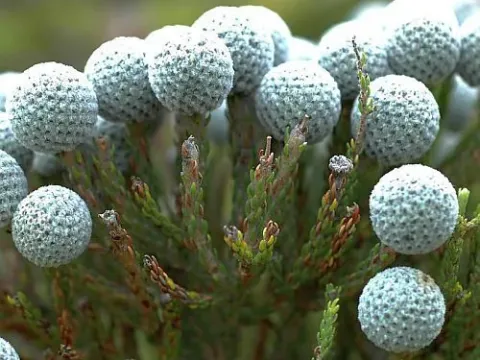
Brunia is an exotic genus belonging to the Bruniaceae family, native to the Cape region of South Africa. The crop thrives in full sun, which is essential for developing the dense, characteristic inflorescences highly valued in trade.
Excellent drainage is the most critical factor for successful cultivation. The plants require gritty or sandy soils that mimic their natural fynbos environment; heavy or waterlogged soils are strictly unsuitable.
Climatic requirements are specific to mild, frost-free regions. In non-native climates, Brunia is primarily grown in commercial greenhouses or as a container crop, requiring protection from cold temperatures during winter.
Irrigation must be precise, allowing the substrate to dry out slightly between watering sessions. Excessive air humidity combined with poor circulation can easily lead to root rot and other physiological issues.
The plants prefer low-phosphorus fertilizers, as they have evolved in nutrient-poor soils and are highly sensitive to mineral overdose. Maintaining a pH balance of 5.5 to 6.5 ensures optimal nutrient uptake.
Root rot caused by Phytophthora species is the most significant threat to the crop. It is almost always a result of poor drainage or overwatering, making moisture management the primary defense strategy.
Pests such as mealybugs and spider mites are common in greenhouse environments. These pests prefer the tight clusters of the inflorescences and can cause substantial damage if not treated with appropriate acaricides early on.
Poor light conditions weaken the plant's structure and defense mechanisms, making it more susceptible to various pathogens. Ensuring sufficient spacing and airflow is essential for minimizing the risk of infection.
Gray mold (Botrytis) can develop on inflorescences if conditions become too damp and stagnant. Removing any infected or senescent plant parts immediately is vital to prevent the spread of spores throughout the crop.
Preventive measures include the use of sterilized growing media and strict hygiene protocols. Regular inspection of the root zone and canopy is necessary to identify potential problems before they become widespread.
Harvesting takes place when the flower heads have reached full maturity, appearing dense and vibrant in color. This typically occurs in late summer or autumn depending on the cultivar and the specific growth conditions.
The stems are prized for their exceptional vase life and architectural beauty. In the floral industry, Brunia serves as a high-end filler, providing unique texture and color to bridal bouquets and premium arrangements.
Using clean, sharp tools for harvesting is essential to prevent damage to the plant and potential disease entry points. After harvest, stems are immediately placed in water or hung to dry depending on the final product requirement.
For dried use, stems should be air-dried in a dark, well-ventilated location with the inflorescences facing downwards. This technique preserves the structural integrity and the subtle hues of the plant.
Economically, Brunia is a niche but profitable crop in the ornamental sector. Its reputation for durability and exotic aesthetic makes it a sought-after element in contemporary floral design worldwide.