
Berzelia
Berzelia
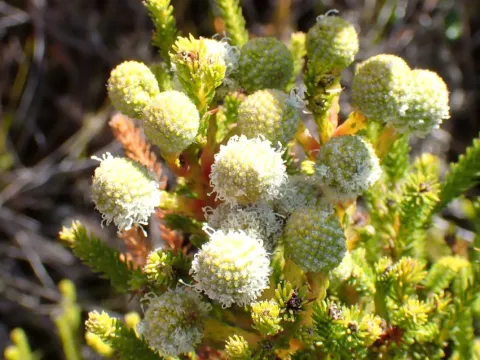
Berzelia is a genus of evergreen shrubs belonging to the Bruniaceae family. Native to the fynbos regions of South Africa, these plants are known for their unique adaptation to harsh, nutrient-poor, and well-drained environments.
What the section contains


Berzelia
Cultivation requirements focus on highly acidic, well-aerated soil. It is critical to ensure that the substrate is free-draining, as the plant is highly susceptible to root rot and other fungal diseases caused by waterlogged soil.
The plant thrives in full sun, which is essential for the development of its distinctive, globular inflorescences. It requires a temperate climate and is generally not frost-hardy, meaning it is often grown in greenhouses in colder regions.
Propagation is typically performed via cuttings. This method ensures uniformity and is more effective than seed sowing, which is notoriously slow and unreliable in this species.
Nutrient management must be precise. Berzelia is sensitive to high levels of phosphorus, so specialized fertilizers for acid-loving plants are recommended to ensure healthy growth without causing toxicity.
The primary agricultural and commercial use of Berzelia is in the cut flower industry. Its attractive, ball-like clusters are highly valued for their sculptural quality and extreme durability in floral arrangements.
Harvesting is done when the flower heads have reached full maturity but are still vibrant. The stems are cut at the desired length, taking care to maintain the overall health of the shrub.
In floristry, Berzelia is used as a structural filler. It provides texture and visual interest, often serving as a focal point in both contemporary bouquets and larger floral installations.
Post-harvest care involves placing the stems in clean water with a floral preservative. The plant's ability to maintain its appearance for several weeks after cutting makes it a favorite among professional florists.
Annual pruning is a key component of the management cycle. It encourages vegetative growth and ensures that the shrub produces a reliable quantity of high-quality flowering stems in the following season.
The most significant threat to Berzelia is root rot, frequently triggered by improper soil drainage and excessive irrigation. Prevention is centered on strict water management and maintaining optimal soil conditions.
Pests such as spider mites and thrips can cause damage to foliage and developing buds, especially in dry greenhouse environments. Integrated pest management strategies are often required to control these populations.
Fungal issues, such as powdery mildew, may occur if air circulation is poor. Ensuring adequate spacing between plants and good ventilation is vital for maintaining a healthy crop.
Physiological disorders, particularly iron chlorosis, are common when soil pH is not maintained within the acidic range. Regular testing of the soil and water helps in making necessary pH adjustments.
By monitoring growing conditions carefully and responding to early signs of stress, growers can maintain high-yield production and ensure the longevity of their Berzelia crops.