
Brunia
Brunia Lam.
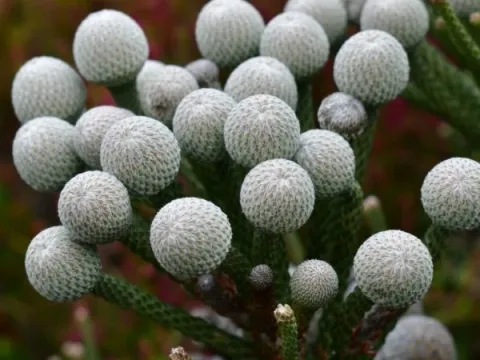
Brunia (Latin Brunia) is a genus of evergreen shrubs belonging to the Bruniaceae family. Originating from the Cape region of South Africa, these plants are highly valued for their unique spherical inflorescences and needle-like foliage.
What the section contains


Brunia
The crop requires a Mediterranean climate and is typically cultivated in greenhouses in regions outside of its natural range. Optimal growth occurs in bright, sunny conditions with temperatures ranging from 15°C to 22°C, avoiding temperatures below 5°C.
Soil requirements for Brunia include well-draining, acidic to neutral substrates. The plant is sensitive to high phosphorus levels, so using low-phosphorus fertilizers is essential to maintain healthy root development and prevent toxicity.
Moisture control is a critical aspect of Brunia's agronomy. The substrate must be kept evenly moist but never waterlogged. Poor drainage often leads to root rot, which is the most common cause of crop failure in greenhouse conditions.
Proper air circulation is necessary to prevent fungal outbreaks. In closed environments, supplemental fans should be used to ensure consistent gas exchange and to maintain the overall vigor of the plant during the vegetative phase.
Brunia is susceptible to various fungal pathogens, especially under high humidity conditions. Root and crown rot, caused by overwatering, represent the primary threat to the longevity of the plant and must be managed through strict irrigation control.
Pest issues frequently include spider mites and scale insects. These pests thrive in warm, dry environments and can quickly damage the foliage. Regular monitoring and the application of appropriate biological or chemical controls are recommended.
Brunia is primarily grown for the commercial floristry market. The inflorescences are harvested when they reach their characteristic spherical shape and firm texture, making them ideal for both fresh and dried floral arrangements.
Harvesting should be done in the morning with sharp, sterilized tools to ensure a clean cut. Proper post-harvest handling, including prompt placement in clean water, is crucial to maintain the longevity of the cut stems.
The cultural value of Brunia stems from its exceptional durability as a cut flower. Even when dried, the inflorescences maintain their structure and color, making them a popular choice for designers working with long-lasting floral elements.