
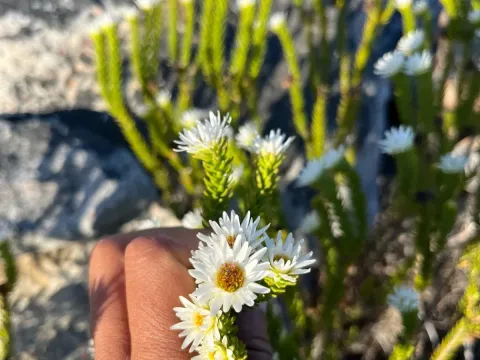
Staavia
Staavia
Propagation of Staavia is primarily performed via seeds, as vegetative propagation through cuttings is technically challenging. Sowing should ideally be scheduled for late winter to early spring to allow sufficient time for root system establishment.
What the section contains

Staavia
Seeds require conditions that mimic the natural environment of the Cape region, including temperature fluctuations. Pre-treatment such as smoke priming or cold stratification can significantly enhance germination rates.
The seeding medium must be lightweight, porous, and low in nutrients. A mixture of sand and peat is generally used to prevent the development of damping-off and to encourage healthy root growth in young seedlings.
Pricking out the seedlings requires great care to avoid damaging the delicate root hairs. Using individual cells or plug trays is recommended to ensure that the root ball remains intact during the subsequent transplanting process.
Once the seedlings reach a suitable size, they must be hardened off gradually. This process acclimates the plants to external environmental conditions before they are permanently moved to the production site or field.
Staavia is a genus within the Bruniaceae family, native to the Mediterranean-type ecosystems of South Africa. It thrives in nutrient-poor, acidic soils that provide excellent drainage, a critical factor for the plant's health.
High light intensity is essential for the development of healthy Staavia plants. Inadequate lighting results in weak, etiolated stems and poor inflorescence production, making full sun exposure mandatory for commercial success.
The moisture regime must be balanced. While Staavia requires regular watering, it is extremely sensitive to waterlogging. Good aeration within the soil profile prevents the onset of root-related pathogens and ensures optimal growth.
Temperature management is vital, as the plant is not frost-hardy. In regions with cold winters, cultivation must occur in protected environments like greenhouses, where stable temperatures can be maintained throughout the growing season.
Soil pH management is crucial, as Staavia prefers acidic conditions. Using water with high alkalinity can lead to nutrient deficiencies, particularly chlorosis, so irrigation water should be monitored and adjusted if necessary.
Staavia is primarily cultivated for the floral industry, prized for its unique textures and long vase life. Harvesting is carried out by hand to ensure the selection of only the highest quality inflorescences.
Timing of the harvest is critical; flowers should be picked when fully open but before any signs of senescence appear. Using sharp, disinfected tools is necessary to prevent structural damage to the mother plant.
Immediate post-harvest care involves placing the stems in clean water with professional floral preservatives. This practice helps maintain turgor and prevents vascular blockage caused by air bubbles in the stems.
For dried flower production, Staavia is harvested at its peak and air-dried in a shaded, well-ventilated area. This preserves the structural integrity and aesthetic appeal of the inflorescences for long-term use.
Grading and sorting according to stem length and head quality are standard procedures before packing. High standards in the harvesting process ensure that the product meets the requirements of the global floral market.
Fungal pathogens represent the most significant threat to Staavia, especially in indoor conditions. Root rot, often triggered by overwatering and poor air circulation, can destroy entire batches of plants quickly.
Spider mites are common pests that thrive in dry, warm greenhouse environments. These pests damage the foliage, leading to reduced photosynthetic capacity and overall weakening of the plant structure.
Aphids can cause significant damage to young, tender growth and developing flower buds. Integrated pest management, including biological controls and targeted pesticide applications, is necessary to keep infestations under control.
Nutritional imbalances, particularly an excess of nitrogen, can result in succulent growth that is more susceptible to environmental stress and opportunistic fungal infections like Botrytis cinerea.
Maintaining a strict hygiene protocol in the growing area is the best defense against threats. Removing fallen leaves, disinfecting equipment, and ensuring consistent airflow significantly reduce the risk of disease outbreaks.