
Buddha belly bamboo
Bambusa ventricosa
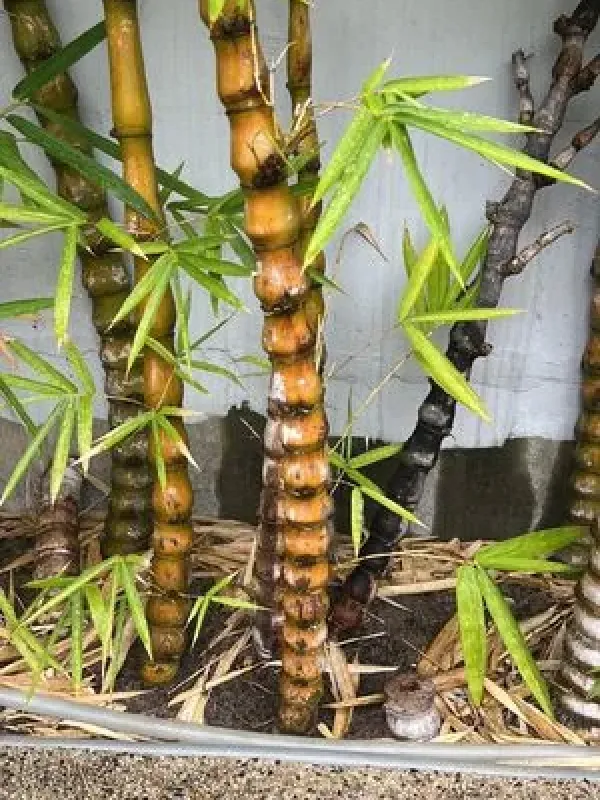
Description
Sowing dates
Buddha belly bamboo is a perennial grass species that belongs to the Poaceae family. In agricultural and horticultural settings, it is primarily propagated through vegetative means, such as division of the root system or using culm cuttings, as the plant rarely produces viable seeds.
The optimal time for planting is during the spring season when temperatures remain consistently warm, allowing the root system to establish itself before the onset of cooler months. It thrives in regions where frost is minimal or non-existent.
When planting, spacing is critical; each specimen requires about 1.5 to 2 meters of space to ensure proper airflow and room for the rhizomes to spread. Overcrowding can lead to stunted growth and increased susceptibility to fungal issues due to poor ventilation.
The planting substrate should be rich in organic matter, well-draining, and slightly acidic. Incorporating compost or well-rotted manure during the initial planting phase helps provide the necessary nutrients for robust development in the early stages.
Newly planted bamboo should be protected from harsh, drying winds and direct midday heat until it fully adjusts to its new environment. Consistent watering without waterlogging is essential to help the plant stabilize its root network.
Growing requirements
This species is a tropical plant that demands warm temperatures to thrive. It performs best in temperatures ranging from 20 to 30 degrees Celsius. While it can survive brief cold spells, prolonged exposure to temperatures near or below freezing can cause severe tissue damage.
Soil requirements are quite specific: the bamboo needs fertile, loamy soil with excellent drainage. In heavy clay soils, the addition of sand or perlite is necessary to prevent water retention that leads to root rot, a common killer of container-grown bamboo.
Water management is the key to both health and aesthetic shape. While the plant likes moisture, it must never sit in standing water. The iconic "belly" shape of the nodes is actually more pronounced under moderate moisture stress, making this a popular subject for bonsai enthusiasts.
Fertilization should be focused on nitrogen-rich organic compounds during the active growing season in late spring and summer. This supports the production of the plant's characteristic swollen internodes and vibrant green foliage.
Regular maintenance involves light pruning of dead or thin culms. This practice encourages the plant to allocate its energy into producing healthier, thicker stems and maintaining the dense, attractive appearance characteristic of the Bambusa ventricosa species.
Yield
Buddha belly bamboo is primarily cultivated for its high ornamental value rather than timber production. It serves as a staple in landscape design, specifically in tropical and subtropical regions, where it is used for hedges, privacy screens, and container gardening.
The economic value of this crop is found in the nursery trade, where well-formed, healthy plants are sold to landscapers and private collectors. A high-quality nursery specimen is defined by its well-developed, pronounced nodes and healthy foliage.
Yield, in the context of a nursery, is measured by the number of successful propagules produced per year. Skilled cultivators can optimize propagation to ensure a steady supply of young plants for seasonal demand in both domestic and international markets.
As a decorative item, the culms are sometimes harvested for use in high-end floral arrangements or home décor. Their unique, bulbous internodes make them a sought-after natural material for rustic or exotic design aesthetics.
With increasing interest in exotic plants for interior office decoration, the market for container-grown Buddha belly bamboo continues to grow. Proper management of the plant's size via pot restriction is an essential agricultural skill for maximizing this market segment.
Main diseases and pests
The most frequent threats to Buddha belly bamboo are sap-sucking insects, such as spider mites and scale insects. These pests thrive in dry conditions and can cause significant damage to the leaves and new shoot growth if not treated immediately.
Fungal diseases like powdery mildew can develop when air circulation is poor or humidity remains excessively high for extended periods. Good ventilation and avoiding overhead irrigation can significantly reduce the risk of such infections.
Root rot is the most serious threat, typically caused by overwatering or poor drainage. Once root rot takes hold, it can spread quickly to the rhizomes, often making the plant difficult to save. Regular checking of drainage holes in pots is a necessary precaution.
Aphids can target the tender, emerging shoots, draining the plant of vitality. Integrated pest management, involving the use of organic insecticidal soaps or natural predators like ladybugs, is highly recommended to keep the plants healthy without harsh chemical residues.
Finally, mechanical damage to the thin skin of the young culms can lead to secondary infections. Keeping the area around the base of the bamboo clean and free of debris is essential for minimizing the presence of pathogens and ensuring long-term health.