
Brunia elegans
Brunia elegans
Description
Sowing dates
The seeds of Brunia elegans are primarily sown during the winter or early spring in a controlled greenhouse environment. Germination requires strict temperature management, as seeds possess a specific dormancy period.
For successful sowing, a sterile substrate based on peat and perlite is utilized, which ensures optimal drainage and prevents the proliferation of pathogenic microflora.
Seeds should be sown at a minimal depth as they require light exposure to initiate the germination process, and the soil surface should be lightly covered with fine sand.
After the emergence of seedlings, plants require pricking out into individual containers, which facilitates the development of a robust root system before transplanting to their permanent location.
Maintaining stable moisture levels without overwatering is a critical factor during the sowing stage, as excessive moisture is detrimental to the delicate Brunia sprouts.
Growing requirements
Brunia elegans is a member of the Bruniaceae family and is native to South Africa, thriving in regions with mild, Mediterranean-like climates.
The plant has specific soil requirements, preferring acidic, sandy substrates with low organic content and excellent drainage characteristics to prevent root issues.
Throughout its growth phase, Brunia requires intense light levels; therefore, in indoor cultivation, the use of supplemental LED lighting is essential during short daylight periods.
The temperature regime should remain moderate, as sudden fluctuations or stagnant cold air can lead to the yellowing and premature shedding of the needle-like foliage.
Irrigation must be performed using soft, filtered water, as high concentrations of calcium salts can quickly cause soil salinization and damage the sensitive root structure.
Yield
The primary yield metric for Brunia elegans is the production of high-quality lateral stems suitable for commercial harvesting and use in floral arrangements.
In large-scale production, productivity is highly dependent on consistent pruning, which stimulates lateral branching and increases the total volume of marketable foliage.
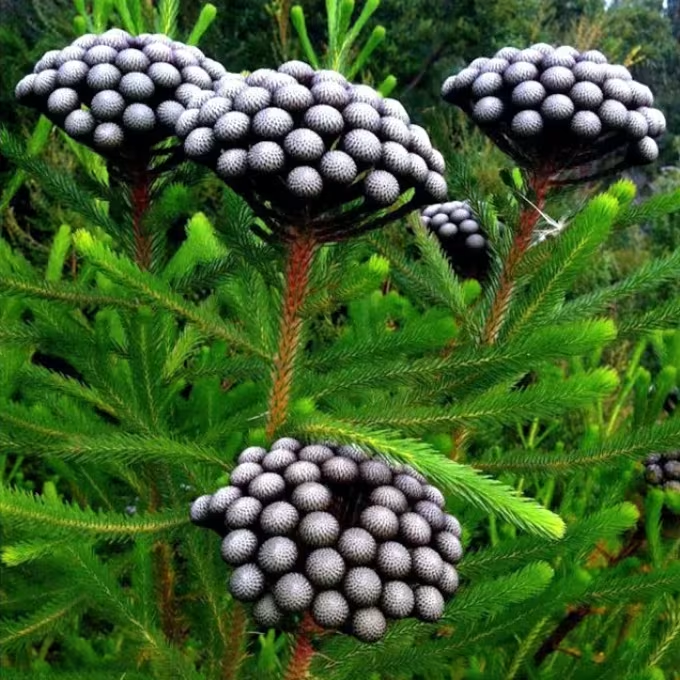
The ornamental spherical inflorescences at the tips of the stems hold the highest value; their visual appeal relies on accurate application of potassium-phosphorus fertilizers during the budding phase.
A well-maintained and properly trained plant can produce multiple harvests of high-quality stems throughout a season, provided that light and humidity levels are balanced.
Yield is also constrained by the longevity of the plant's productive cycle, which necessitates plantation rotation or rejuvenation every three to four years as soil fertility depletes.
Main diseases and pests
The most significant threat to Brunia in high-humidity environments is root rot, caused by Phytophthora fungi, which spreads rapidly when soil drainage is compromised.
Among pests, spider mites represent the greatest danger as they thrive in dry air conditions and can rapidly destroy the decorative quality of the stems.
Mealybugs are also frequently encountered in plantations, requiring immediate intervention with systemic insecticides to preserve the marketability of the crop.
Non-infectious disorders include chlorosis, often caused by improper soil pH or micronutrient imbalances, manifesting in the loss of the plant's characteristic coloration.
Disease prevention involves rigorous control of soil moisture, ensuring adequate air circulation within the growing facility, and regular monitoring for early signs of pest infestation.
Harvesting
The harvest of Brunia elegans occurs when inflorescences reach full coloration but have not yet lost their structural firmness, ensuring optimal longevity in floral displays.
Sharp shears are used for harvesting to ensure clean cuts, which minimizes trauma to the mother plant and encourages further development of new growth buds.
Immediately after harvest, stems are graded based on length and inflorescence maturity, followed by placement in a cool storage environment for preservation.
Brunia is highly valued by florists for its extended vase life and excellent suitability for air-drying, making it a staple for dried flower arrangements.
Transportation of the harvested material must strictly follow temperature-controlled protocols to prevent dehydration and ensure the preservation of the plant's unique aesthetic properties.