
Brunia hybrids
Brunia hybrids
Description
Growing requirements
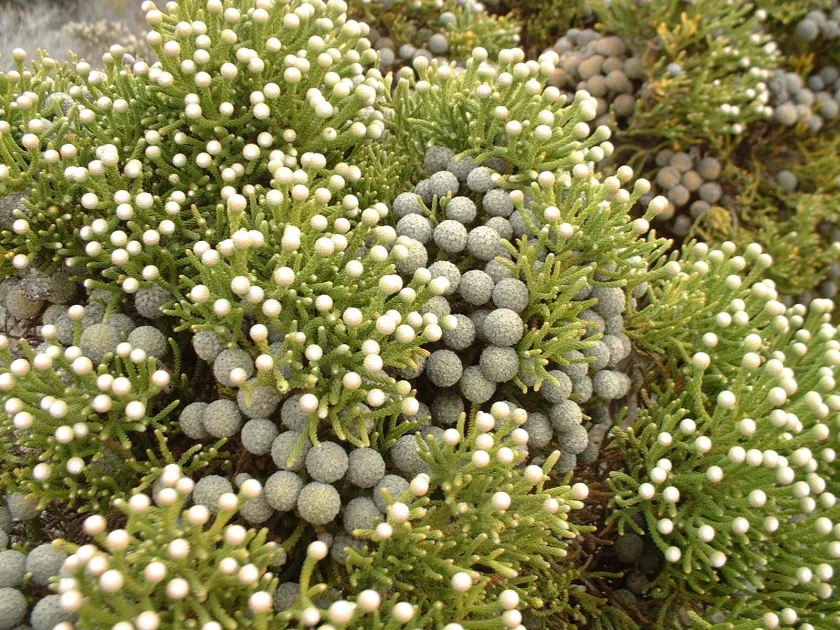
Brunia hybrids belong to the Bruniaceae family. These are evergreen shrubs characterized by their unique, globe-shaped inflorescences, which are highly prized for their architectural appearance in floral arrangements.
Originating from South Africa, the plant requires specific soil conditions to thrive. It prefers well-drained, acidic to neutral soils that mimic its natural habitat and prevent root zone complications.
For agricultural cultivation, these plants are best suited for greenhouse environments where soil moisture and humidity can be meticulously managed. Poor drainage leads rapidly to root decay, making soil preparation crucial.
The ideal temperature range for Brunia hybrids is between 15°C and 25°C. They are sensitive to extreme weather conditions, including frost and high heat, which necessitates climate-controlled production facilities.
Bright, indirect light is essential for optimal development. Intense direct sunlight can damage the foliage, while insufficient light may result in poor inflorescence density and stem weakness.
Main diseases and pests
Root rot is the most significant disease affecting Brunia crops, typically caused by over-irrigation or stagnant water in the soil. Maintaining a strict drainage protocol is the primary prevention strategy.
Pests like spider mites and scale insects represent the most common biological threats. Their presence is often linked to dry greenhouse conditions, which require integrated pest management (IPM) to control.
Powdery mildew can occur if ventilation is inadequate. Ensuring proper spacing between plants and monitoring humidity levels are essential to preventing fungal outbreaks in dense greenhouse stands.
Excessive nitrogen fertilizer promotes rapid growth that is often susceptible to pest infestations and structural weaknesses. Growers must follow a balanced fertilization program that prioritizes plant resilience.
Chemical control measures must be applied with caution, ensuring that no residues are present on the flower heads during harvest, as this can affect their appeal and safety in the floristry market.
Harvesting
Brunia hybrids are primarily grown for the cut flower industry. Their longevity after harvest makes them a premium choice for high-end bouquets and floral installations in both fresh and dried forms.
Harvesting should occur when the flower heads reach their characteristic size and firm texture. Professional growers use sharp, disinfected tools to ensure the health of the remaining plant structure.
Post-harvest management involves immediate hydration and sorting based on stem length and inflorescence quality. This standardization is vital for meeting international market requirements for cut flowers.
Storage requires cool temperatures and good airflow to maintain the product's freshness. When stored correctly, Brunia can be shipped long distances without a significant loss in quality.
Beyond fresh use, the plant is widely appreciated as a dried ornamental. Its ability to retain its spherical shape and color makes it a favorite for year-round interior decoration.