
Brunia fragarioides
Brunia fragarioides
Description
Growing requirements
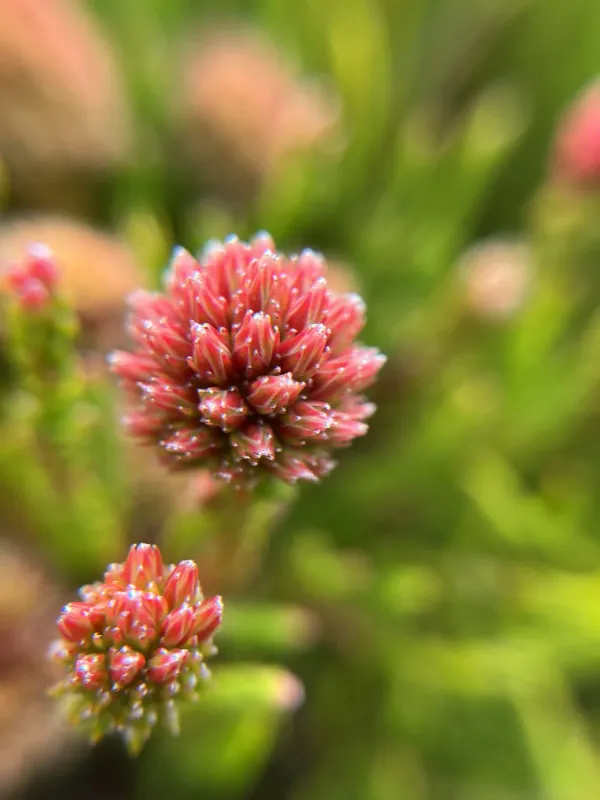
Brunia fragarioides is a distinctive plant species belonging to the Bruniaceae family. Originating from the Cape region of South Africa, this evergreen shrub is known for its unique, strawberry-like inflorescences. It has adapted over millennia to thrive in environments with cool, moist winters and dry, sunny summers.
Successful cultivation of this crop depends heavily on soil composition. It requires a well-draining, acidic to neutral substrate that prevents water stagnation. In commercial settings, growers often use mixes containing perlite or volcanic rock to ensure maximum aeration, as the root system is highly sensitive to hypoxia.
Climate requirements for Brunia fragarioides involve providing bright, filtered light. While the plant appreciates sunshine, intense direct heat can scorch the foliage. Maintaining a consistent temperature between 12°C and 22°C is ideal for vegetative growth, while protecting the plant from freezing temperatures or extreme heatwaves is essential.
Agronomic management includes precise irrigation practices using soft, low-calcium water. Because the species is a calcifuge, any rise in soil pH caused by irrigation water can lead to chlorosis and stunted growth. Controlled-release fertilizers designed for acid-loving plants are recommended during the active growing season.
The primary economic use of this plant is in the professional floristry market. Due to its long vase life and striking texture, it is highly sought after for high-end floral arrangements, event decorations, and preserved dried bouquets, making it a valuable specialty crop for high-value agricultural ventures.
Main diseases and pests
Pathogenic threats mainly include root rot, which is often a direct result of improper drainage or overwatering. Fungal infections can spread rapidly in high-humidity environments, so maintaining airflow around the canopy is critical for disease prevention in protected agricultural settings.
Common pests include spider mites and mealybugs, which are particularly prevalent in dry, indoor environments. Integrated pest management (IPM) strategies, including regular inspections and the use of targeted biological controls or appropriate acaricides, are necessary to protect the plant's aesthetic quality.