
Brunia laevis
Brunia laevis
Description
Growing requirements
Brunia laevis is a distinctive evergreen shrub belonging to the Bruniaceae family. Native to the Cape region of South Africa, this plant is well-adapted to specific ecological niches characterized by acidic soils and moderate, maritime-influenced temperatures.
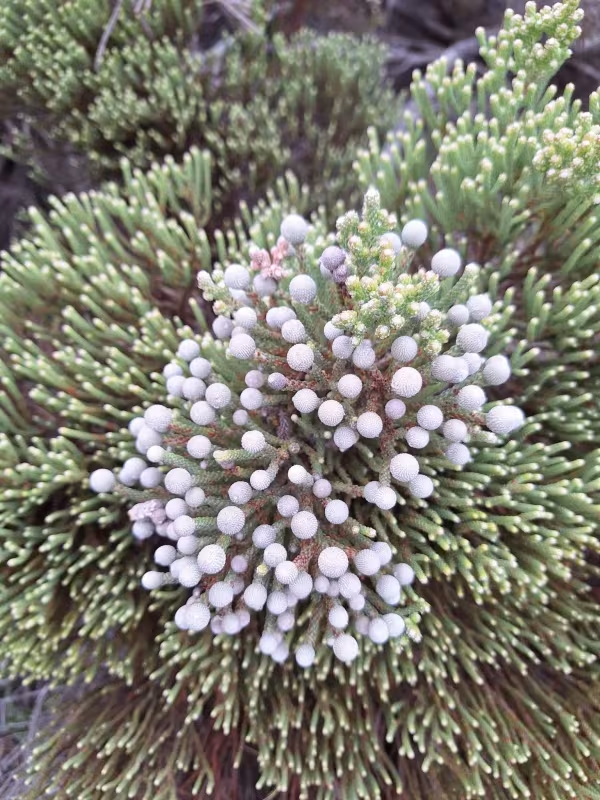
The plant features woody stems covered in small, dense, needle-like leaves that provide a textural element. During the reproductive phase, the shrub produces dense, spherical inflorescences at the tips of its branches, which are the primary focus of its commercial value in the floral industry.
Successful cultivation requires a growing medium that is highly porous, acidic, and well-aerated. The plant is notoriously sensitive to waterlogging; therefore, the substrate must facilitate rapid drainage to prevent root rot, a common issue in intensive greenhouse management.
Environmental conditions must be carefully managed to emulate its natural habitat. High light intensity is crucial for the development of healthy, compact inflorescences, while adequate air circulation helps prevent the proliferation of fungal pathogens in high-humidity settings.
Temperature control is essential as the plant is not frost-hardy and thrives in environments where moderate diurnal temperature fluctuations occur. In professional agricultural setups, greenhouse microclimate monitoring is standard practice to ensure consistent stem quality and production cycles.
Harvesting
The primary economic use of Brunia laevis is as a cut foliage and floral filler. Its unique visual appeal and structural stability make it a highly sought-after component for luxury arrangements, both in fresh and preserved states.
Harvesting involves cutting mature, healthy stems after the flower heads have reached their optimal size and texture. Proper post-harvest handling, including re-hydration and storage in cool environments, ensures a long vase life, which is a key trait of this commercial commodity.