
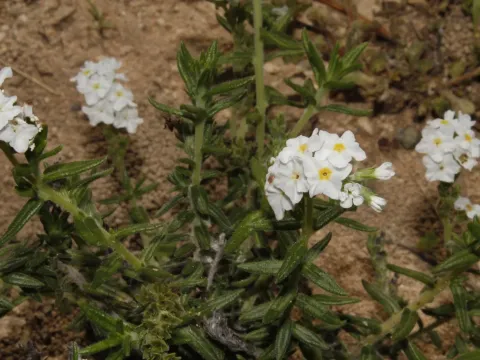
Heliotropium ternatum
Heliotropium ternatum
Heliotropium ternatum, a member of the Boraginaceae family, is typically propagated via seeds to ensure a healthy start to the growing season. The sowing process usually begins in late winter or early spring in a climate-controlled greenhouse.
What the section contains
Heliotropium ternatum
Seeds are sown in a well-draining, nutrient-rich potting mix. It is crucial to maintain a consistent soil temperature of approximately 20 to 22 degrees Celsius to facilitate germination.
The young seedlings are fragile and require careful handling. Once the first true leaves emerge, they are pricked out and transplanted into individual pots to provide more space for root development.
Hardening off the seedlings is an essential step before moving them to their permanent outdoor location, which helps them adapt to environmental fluctuations.
Transplanting into the garden bed should occur only after the risk of frost has passed, ensuring the soil is adequately warmed and prepared to support vigorous growth.
This species thrives in locations with full sun exposure. Adequate light is essential for maintaining plant vigor and promoting the production of its characteristic fragrant blooms.
The soil must be fertile, light, and possess excellent drainage capabilities. Heliotropium ternatum does not tolerate waterlogged soil, which can lead to rapid root decay.
Regular irrigation is vital during the peak of the growing season. Consistent moisture levels should be maintained, avoiding both extreme dryness and saturation of the substrate.
Fertilization with a balanced, water-soluble fertilizer is recommended throughout the flowering period to sustain continuous growth and flower production.
Maintenance, including regular pruning and deadheading of spent blooms, is highly beneficial. This encourages the plant to put more energy into new growth and repeat flowering cycles.
Common pests that pose a threat to this plant include aphids, spider mites, and whiteflies. These insects frequently attack the foliage, especially in hot and dry weather conditions.
Fungal pathogens such as gray mold or powdery mildew may develop if there is insufficient air circulation or if the foliage remains wet for extended periods.
Integrating biological controls alongside appropriate pest management strategies can effectively mitigate the risk of severe infestations without harming the environment.
Proper plant spacing during the initial planting phase helps reduce the risk of humidity buildup, which is a major factor in the development of fungal infections.
Early identification of pest symptoms or signs of disease allows for rapid intervention, which is critical for preventing the spread of threats across the entire planting area.