
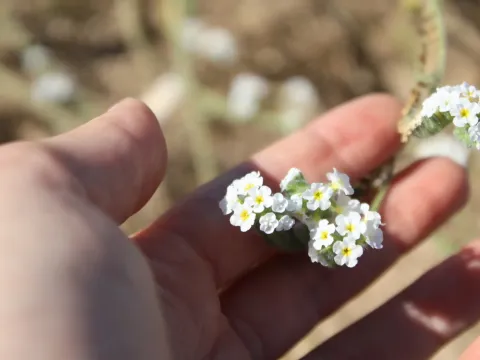
Heliotropium suaveolens
Heliotropium suaveolens
Sowing seeds of Heliotropium suaveolens is typically performed indoors from late winter to early spring. The seeds are extremely small, requiring surface sowing on a moist, fine-textured seed starter mix without covering them with soil.
What the section contains
Heliotropium suaveolens
To ensure successful germination, maintain a constant temperature between 20°C and 22°C. Keeping the seed tray covered with clear plastic or glass helps to preserve humidity levels until the seedlings emerge.
Once the first pair of true leaves appears, the seedlings should be carefully pricked out into individual pots. This transition helps the plant develop a strong root system necessary for later transplanting into the garden.
Transplanting to the permanent outdoor location should only occur after the risk of late spring frost has completely passed. Hardening off the plants over several days is essential to reduce transplant shock.
Select a sunny, sheltered spot for planting. Heliotropium suaveolens thrives in full sun, which is critical for maximizing both its growth vigor and the production of its signature sweet fragrance.
The plant performs best in fertile, well-draining soil that is rich in organic matter. Heavy clay soils should be amended with compost or sand to improve drainage and prevent root rot issues.
Regular moisture is required throughout the growing season. While the soil should be kept consistently moist, it is vital to avoid waterlogged conditions, which can lead to rapid decline in plant health.
A balanced liquid fertilizer applied every two weeks during the active growing phase promotes dense foliage and prolific flowering. Avoid high-nitrogen fertilizers which may encourage excessive leaf growth at the expense of blooms.
As a member of the Boraginaceae family, this species is quite sensitive to temperature fluctuations and cold drafts. It thrives in climates where warm summers provide the necessary heat for optimal development.
Regular pruning and pinching back the growing tips help to maintain a compact, bushy habit. This practice not only improves the structural integrity of the plant but also encourages more branching for more flowers.
Spider mites are the most common pest, especially in dry, warm conditions. They feed on plant juices, causing the leaves to develop a stippled appearance and eventually dry out if left untreated.
Aphids often target new, tender growth and flower buds. Infestations can cause stunted growth and misshapen flowers, so frequent inspection and targeted insecticide treatment are recommended to keep populations in check.
Whiteflies can also cause significant damage to Heliotropium suaveolens, particularly in greenhouse or sheltered garden settings. These pests suck nutrients from leaves, weakening the plant and encouraging sooty mold.
Gray mold (Botrytis) can affect the plant if humidity levels are too high or if air circulation around the foliage is poor. Improving ventilation and watering at the base of the plant help mitigate this risk.
Powdery mildew is another fungal concern, often appearing as a white, dusty layer on the foliage during periods of high humidity and heat. Application of appropriate fungicides and proper spacing are effective control measures.