
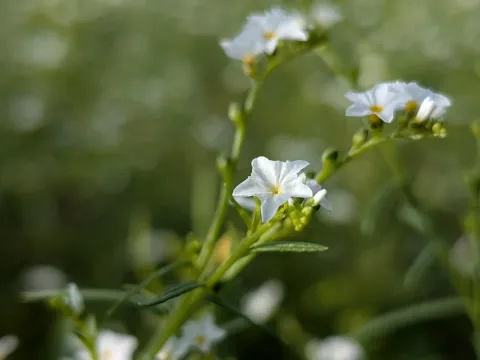
Heliotropium strigosum
Heliotropium strigosum
Heliotropium strigosum is a distinctive herbaceous species belonging to the Boraginaceae family. It is widely recognized for its adaptation to arid and semi-arid environments, predominantly found in regions across tropical Asia where other vegetation struggles to survive.
What the section contains
Heliotropium strigosum
The plant gets its name from its characteristic strigose (bristly) hairs that cover the stems and foliage. These structures serve as an evolutionary defense mechanism, minimizing transpiration rates and protecting the plant tissues from intense solar radiation.
When cultivating this species, site selection is paramount. It requires full sun exposure and cannot tolerate shaded areas. Ensuring the site receives at least six to eight hours of direct sunlight is crucial for maintaining the plant’s health and structural integrity.
Soil drainage is the most significant factor in successfully growing Heliotropium strigosum. The plant thrives in sandy or gravelly loam where water percolates quickly. Any form of waterlogging will inevitably lead to root system failure and plant death.
This species is highly drought-tolerant, making it suitable for low-input landscapes. It requires minimal fertilization; in fact, over-fertilizing with nitrogen can result in succulent, weak growth that becomes more susceptible to environmental stress and pests.
The primary threats to Heliotropium strigosum are fungal pathogens, specifically those causing root and crown rot. These issues are almost exclusively associated with improper irrigation practices or soil that remains saturated for extended periods.
Pest pressure is most intense during hot, dry spells, which are favorable for spider mite infestations. These pests thrive in the dust-prone conditions that this plant naturally tolerates, often hiding on the underside of leaves and damaging the photosynthetic tissue.
Aphids are also a concern, as they can weaken the plant by feeding on the sap of young, tender shoots. Furthermore, their presence often attracts secondary issues, such as sooty mold, which can further inhibit the plant's growth processes.
Powdery mildew may occur if there is inadequate airflow around the plants. To mitigate this risk, it is essential to maintain proper spacing during planting, which allows for efficient evaporation of moisture from the foliage.
Integrated Pest Management (IPM) is the best approach for this species. This involves regular scouting for early signs of infestation and prioritizing the use of horticultural oils or insecticidal soaps before resorting to broader-spectrum chemical treatments.