
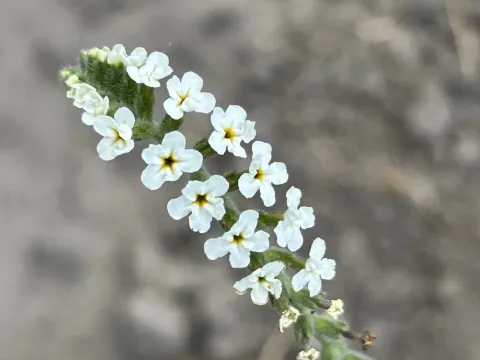
Heliotropium steudneri
Heliotropium steudneri
Heliotropium steudneri is a distinctive plant species belonging to the Boraginaceae family. Originally native to arid regions of North-East Africa, it is well-adapted to high-temperature and water-scarce environments.
What the section contains
Heliotropium steudneri
Botanically, it features a semi-shrub or herbaceous growth habit with highly drought-tolerant foliage. The plant thrives in well-aerated, sandy, or rocky soils, demonstrating a low tolerance for waterlogged conditions which are detrimental to its root system.
Climatic requirements are focused on long, sunny growing seasons with high heat exposure. It does not possess significant frost tolerance, meaning commercial cultivation in temperate zones is restricted to greenhouse environments or annual production cycles.
Soil management for this culture requires minimal fertilization. Excess nitrogen tends to stimulate excessive vegetative growth at the expense of floral development and medicinal compound density within the plant tissues.
The cultural practice involves providing deep but infrequent irrigation to encourage deep root penetration. This mimics the natural rainfall patterns of its African habitat, ensuring the plant remains robust and resistant to environmental stress.
The primary threats to Heliotropium steudneri are fungal pathogens, specifically those causing root rot and damping-off. These issues almost exclusively arise from poor soil drainage or high humidity around the root collar.
Spider mites represent the most significant invertebrate pest threat. These arachnids thrive in low-humidity conditions often associated with the culture’s native climate requirements, necessitating strict monitoring of leaf undersides.
Aphids can cause substantial damage during the early growth stages by colonizing the terminal shoots. They inhibit normal stem elongation and can cause distortion of the developing leaves and flower buds.
Powdery mildew infections are a concern during periods of stagnant air. Effective disease management involves maintaining proper spacing between plants to ensure that foliage dries quickly after irrigation or morning dew.
Agricultural professionals should focus on early detection and integrated pest management (IPM) strategies to protect the crop. Regular sanitation practices and maintaining optimal light levels are the most effective preventative measures against both pests and disease.