
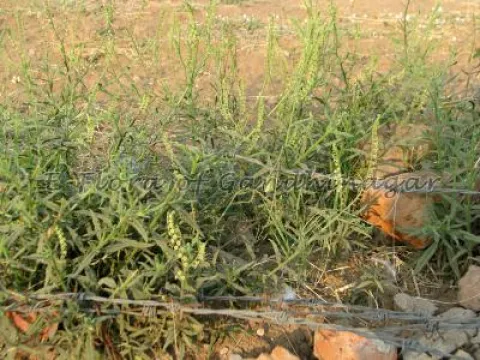
Heliotropium subulatum
Heliotropium subulatum
Heliotropium subulatum is a herbaceous species belonging to the Boraginaceae family. Originally native to tropical and subtropical regions, primarily in Africa and parts of Asia, it has adapted to various arid and semi-arid environments throughout its natural distribution.
What the section contains
Heliotropium subulatum
The plant requires full sun exposure to thrive, as it is highly photophilous and grows poorly in shaded conditions. Optimal growth temperatures range between 20°C and 28°C, and it is sensitive to frost, which limits its cultivation to warmer climates or indoor environments.
Soil requirements focus on well-draining, sandy-loam compositions with a neutral to slightly acidic pH. Poorly drained, heavy clay soils often lead to root suffocation and disease, making proper soil preparation essential for successful establishment.
Agronomic practices involve consistent but moderate watering, ensuring that the substrate dries slightly between irrigation cycles to prevent root rot. Supplemental nitrogen fertilization should be managed carefully to avoid excessive vegetative growth at the expense of floral development.
Its botanical characteristics include distinct subulate (awl-shaped) leaves and small, dense inflorescences arranged in spikes. These features make the species of interest for both specialized horticultural collections and botanical research regarding its drought-resistant properties.
Common pests include aphids, whiteflies, and spider mites, particularly when grown in environments with low humidity. Integrated pest management (IPM) strategies, including biological controls or targeted sprays, are recommended to maintain plant health.
Fungal pathogens such as root rot and stem rot represent the primary disease threats, usually triggered by improper moisture management. Ensuring proper ventilation and avoiding waterlogged conditions are the most effective preventive measures against these pathogens.