
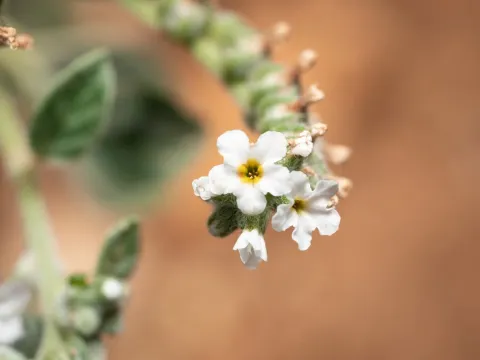
Heliotropium dolosum
Heliotropium dolosum
Heliotropium dolosum belongs to the Boraginaceae family. For optimal cultivation, seeds should be sown in a greenhouse or indoor environment during the late winter months to ensure strong seedling development.
What the section contains
Heliotropium dolosum
The substrate for sowing must be well-drained and lightweight. Seeds require a consistent temperature of approximately 20–22 degrees Celsius to germinate successfully within a reasonable timeframe.
Seedlings should be pricked out when the first true leaves appear. Handle the plants with care, as their root system is delicate and prone to stress during the transplantation process.
Hardening off the seedlings is a critical step before moving them to the permanent outdoor location. This process should span at least 10–14 days to acclimatize the plants to exterior conditions.
Transplanting into the open field is performed only when the danger of frost has passed. Ensure that the soil temperature has warmed up sufficiently to support active root growth and establishment.
This plant thrives in full sun exposure. It is essential to choose a site that receives direct sunlight throughout the majority of the day to promote vigorous growth and blooming.
Soil requirements include high fertility, excellent drainage, and a neutral pH. If the soil is heavy or prone to waterlogging, it must be amended with sand or organic matter before planting.
Consistent moisture is needed, but the soil should never remain saturated. Proper watering techniques involve applying water to the base of the plant, avoiding wetting the foliage to prevent fungal issues.
Nutritional management is important during the active growing season. A balanced, water-soluble fertilizer applied every two weeks helps sustain the plant’s high metabolic activity and decorative value.
Wind protection is beneficial for this species. Plant it in a sheltered spot, such as near a wall or protected garden border, to minimize the impact of cold or dry gusts on the stems.
Fungal diseases like powdery mildew are the most common threats to Heliotropium dolosum. These infections are often triggered by poor air circulation and excessive humidity levels in the garden.
Pests such as spider mites and whiteflies frequently target the foliage. These insects thrive in hot, dry weather and can significantly reduce the vitality of the plant if left unchecked.
Integrated pest management is recommended, starting with cultural practices like proper spacing. If infestation occurs, environmentally safe horticultural soaps or targeted insecticides may be used.
Root rot, caused by overwatering or poor drainage, is a lethal condition for this species. Monitoring soil moisture levels before every irrigation cycle is the most effective preventive measure.
Regular monitoring of the leaves and stems allows for early detection of potential outbreaks. Prompt removal of infested plant material helps contain the spread of diseases within the planting area.