
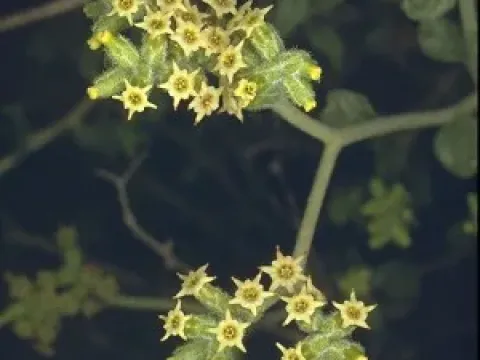
Heliotropium digynum
Heliotropium digynum
Heliotropium digynum is a distinct species belonging to the Boraginaceae family, primarily adapted to the harsh environmental conditions of arid desert ecosystems.
What the section contains
Heliotropium digynum
Its natural range is concentrated in North Africa and parts of Western Asia, where it thrives in sandy, nutrient-poor substrates that characterize desert terrains.
The plant demonstrates remarkable resistance to drought and extreme solar radiation, utilizing specialized morphological traits to minimize water loss through leaves.
Optimal growth requires well-drained sandy or loamy soils, as the plant is highly susceptible to root decay when exposed to excess moisture or poor drainage.
High temperatures are essential for its metabolic processes, and cultivation attempts in non-native regions require climate-controlled environments like greenhouses to mimic its natural conditions.
The most significant threats to Heliotropium digynum are fungal pathogens that proliferate under conditions of high humidity or poorly managed irrigation systems.
Pest pressure is relatively low in its natural habitat; however, aphids can pose a challenge in controlled cultivation environments, targeting the succulent parts of the plant.
Root rot is the primary physiological disorder caused by stagnant water, which rapidly compromises the structural integrity of the plant's root system.
Environmental stress caused by sudden drops in temperature can also weaken the plant, making it more susceptible to secondary infections and opportunistic pests.
Effective management strategy involves strict adherence to irrigation schedules, ensuring that the soil medium dries out completely between water applications to prevent disease.