
Heliotropium convolvulaceum
Heliotropium convolvulaceum
Description
Growing requirements
Heliotropium convolvulaceum, commonly referred to as the phlox heliotrope, is an annual herbaceous plant belonging to the Boraginaceae family. It is native to the arid and semi-arid regions of North America, where it thrives in sandy, loose, and well-drained soils.
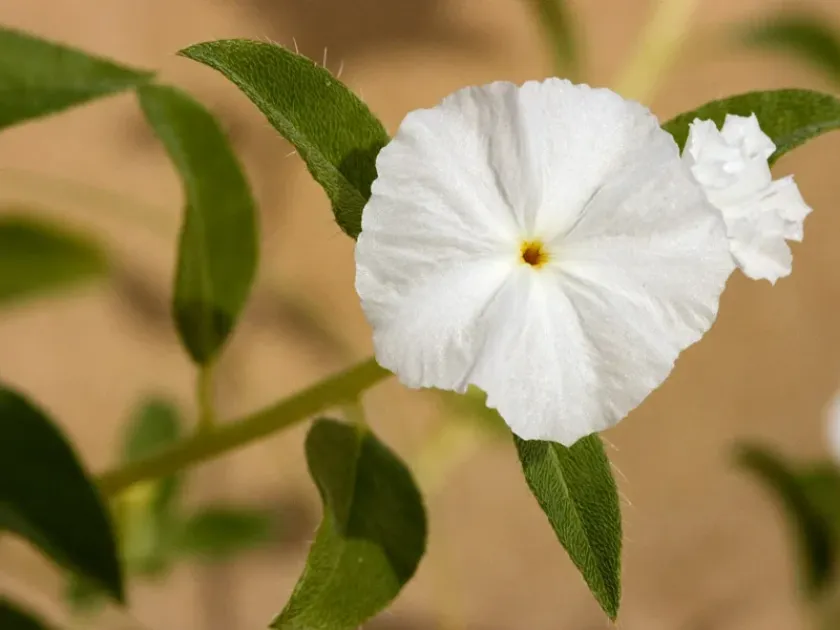
The plant exhibits distinct botanical characteristics, including narrow, lance-shaped leaves covered in fine hairs, which help the plant retain moisture in high-heat environments. Its white, funnel-shaped flowers are well-known for their intense fragrance, often intensifying during the evening hours.
Climate requirements for this species are specific: it demands high light intensity and prolonged periods of sunshine. It is strictly a warm-weather plant that cannot tolerate frost, making it suitable for cultivation primarily in warm, dry climates or controlled indoor environments.
Regarding soil preferences, the plant requires excellent drainage. Sandy or sandy-loam soils are optimal, as they prevent water accumulation. Heavy or clay-based soils should be avoided, as the roots are highly susceptible to rot when exposed to excessive moisture for even short periods.
Agricultural management is relatively simple due to the plant's natural adaptation to harsh conditions. It requires minimal irrigation, and fertilization should be kept to a low level to prevent excessive vegetative growth that could compromise the plant's structural integrity.
Main diseases and pests
The primary threats to Heliotropium convolvulaceum are pathogenic fungi that thrive in humid conditions. Root rot is the most significant disease, often resulting from over-irrigation or soil that lacks proper aeration, leading to rapid deterioration of the plant.
Pest pressures primarily include spider mites and aphids, especially when plants are grown in confined or sheltered spaces with poor airflow. These pests can rapidly colonize the leaves, causing chlorosis and weakening the overall vigor of the plant during peak summer heat.
Preventative measures against diseases include strict control of the watering schedule and ensuring that the plant population is not overly dense. Providing adequate space between individuals helps maintain air circulation, which is crucial for preventing mold and mildew outbreaks.
Integrated pest management should focus on early detection. In case of infestation, biological control agents or soft-chemical interventions are preferred to avoid damaging the plant's delicate foliage and to protect beneficial insects that may visit the flowers.
Monitoring the soil moisture levels is essential throughout the entire growth cycle. By keeping the plant within its optimal moisture range, growers can significantly reduce the risk of disease and maintain a healthy, productive crop throughout the season.