
Heliotropium fruticosum
Heliotropium fruticosum
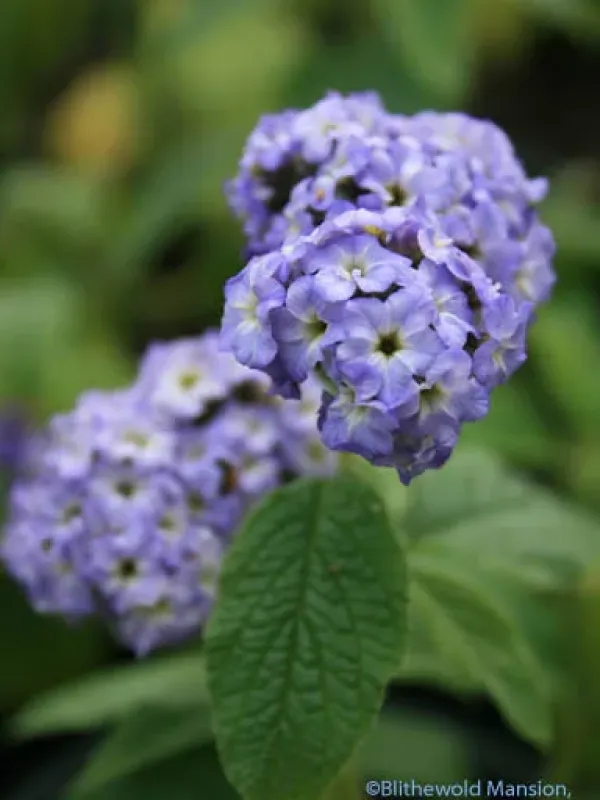
Description
Sowing dates
Heliotropium fruticosum is propagated primarily via seeds sown in late winter or early spring in a controlled greenhouse environment to ensure long-term development.
The seeding medium should be a well-draining, lightweight soil mix with a neutral pH level to minimize the risk of pathogen accumulation and ensure proper aeration.
Seeds are placed on the surface of the moist substrate and gently pressed down without covering, as they require light exposure to trigger the germination process.
Maintaining a constant temperature of 20–22 degrees Celsius and high humidity under cover is essential for achieving a high percentage of seedling emergence.
Once seedlings develop true leaves, they are transplanted into individual pots to facilitate root system strengthening before eventual transfer to final growth locations.
Growing requirements
Belonging to the Boraginaceae family, this species thrives in climates with high solar intensity, requiring full sunlight to maintain its compact and shrubby habit.
The ideal soil profile for this plant includes rich, loamy, or sandy textures that prevent water stagnation while retaining necessary moisture for plant metabolic processes.
Adequate hydration is critical; however, irrigation practices must balance the plant's high water demand with a strict avoidance of waterlogged soil conditions.
Optimal growth temperatures for this species are moderate to warm, as exposure to freezing temperatures will cause significant physiological damage to the foliage and stems.
Regular fertilization with a balanced NPK ratio, specifically during the flowering stage, is recommended to ensure vigorous growth and sustained aesthetic value.
Main diseases and pests
The primary biological threats to Heliotropium fruticosum include aphids and whiteflies, which tend to congregate on the undersides of leaves and succulent stems.
Spider mites represent a major concern during hot and dry weather conditions, necessitating careful monitoring and frequent misting to deter their proliferation.
Pathogenic threats such as powdery mildew are often induced by poor air circulation in confined spaces or excessive humidity levels around the foliage.
Root rot, resulting from Pythium or Phytophthora species, is often a fatal condition triggered by poor drainage and excessive watering patterns during cooler spells.
- Integrated Pest Management (IPM) techniques.
- Maintaining optimal air circulation to reduce mildew risk.
- Application of selective acaricides for spider mite control.
- Use of systemic fungicides for root health.