
Eritrichium nanum
Eritrichium nanum
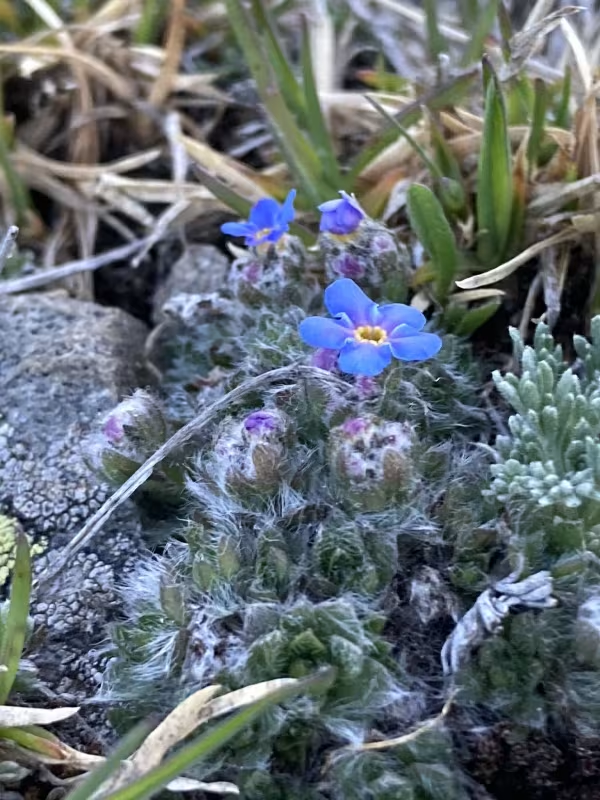
Description
Growing requirements
Eritrichium nanum, commonly known as the King of the Alps, is a perennial member of the Boraginaceae family. This iconic alpine plant is native to high-altitude regions, where it clings to limestone crevices and rocky slopes, forming tight, cushion-like mats.
Cultivating this species requires precise conditions that mimic its wild habitat. It thrives in highly porous, inorganic soil composed primarily of grit, gravel, and minimal organic matter, ensuring rapid water drainage to prevent rot.
Optimal growth occurs in full sunlight, which encourages compact, dense leaf formation and abundant flowering. Despite needing sun, the roots must remain cool, often achieved by surrounding the base of the plant with stone chippings to provide natural insulation.
Water management is the most critical aspect of its care. While the plant requires moisture, it must never remain waterlogged. During winter, it is essential to keep the foliage as dry as possible to prevent tissue damage and fungal outbreaks.
Primarily used in specialized rock gardens and alpine houses, Eritrichium nanum is considered a challenge for even experienced gardeners. Its value lies in its intense, brilliant blue flowers that provide an exceptional aesthetic appeal in early summer.
Main diseases and pests
The primary threats to Eritrichium nanum include crown rot and root decay, almost exclusively caused by excessive moisture or poor soil drainage. These conditions allow pathogens to infiltrate the plant's delicate tissues quickly.
Common garden pests such as slugs and snails are highly attracted to the soft, succulent foliage, especially in moist microclimates. Mechanical barriers like copper rings or sharp grit mulches are recommended to protect the plants from these invertebrates.