
French forget-me-not
Myosotis gallica
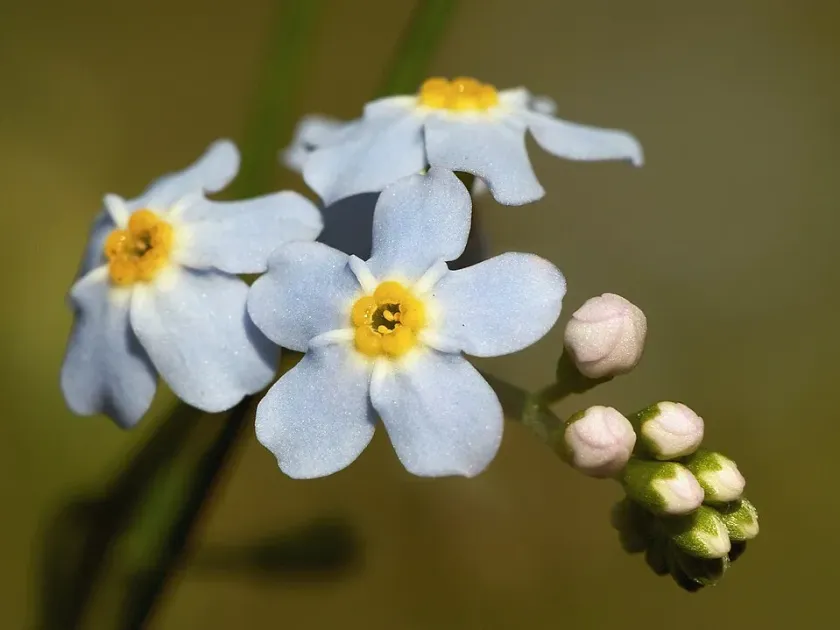
Description
Sowing dates
French forget-me-not (Myosotis gallica) is a member of the Boraginaceae family, often grown for its delicate appearance. Sowing is typically performed in late spring once soil temperatures have stabilized.
For greenhouse cultivation, seeds should be sown in a sterile, light peat-based mix. Surface sowing is mandatory, as the seeds require light to trigger germination processes effectively.
Maintaining a constant moisture level during the germination phase is critical. Seeds usually sprout within 14-21 days depending on the specific environmental conditions and seed quality.
Thinning is an essential practice once the seedlings reach the two-leaf stage to prevent overcrowding, which can otherwise lead to stunted growth and reduced vigor in mature plants.
Direct seeding in permanent locations is also possible, provided the soil is well-prepared and free from perennial weed competition to allow the seedlings to establish successfully.
Growing requirements
The culture thrives in cool, moist, and well-drained soils rich in organic matter. Excessive water accumulation in the root zone must be avoided to prevent fungal infections.
While the plant can tolerate full sun in cooler climates, it performs best in partial shade during hotter summer periods, which protects the foliage from heat stress.
Soil pH should ideally be neutral to slightly alkaline. Acidic conditions can often hinder nutrient absorption, particularly phosphorus, which is vital for the development of flowers.
Regular irrigation is necessary to ensure consistent growth. Mulching around the plants can help retain moisture in the soil and suppress weeds simultaneously.
Balanced fertilization with low-nitrogen formulas is recommended during the growth stage to promote healthy blooms rather than excessive, weak foliage development.
Main diseases and pests
The primary pathological threats include powdery mildew, which often manifests under high humidity and poor air circulation within the plant canopy.
Aphids are the most common insect pests that feed on sap, leading to curled leaves and deformed buds. Immediate intervention with insecticidal soap or specific treatments is advised.
Root rot is a major threat caused by overwatering or soil compaction. Proper drainage and soil aeration are essential preventive measures to maintain the health of the root system.
Vigilance is required to detect early signs of fungal infections, such as discoloration or wilting. Removing and destroying affected plant material is necessary to curb the spread.
Preventative cultural practices, such as ensuring proper spacing between plants and avoiding overhead watering, significantly reduce the incidence of both pests and common plant diseases.