
Eritrichium villosum
Eritrichium villosum
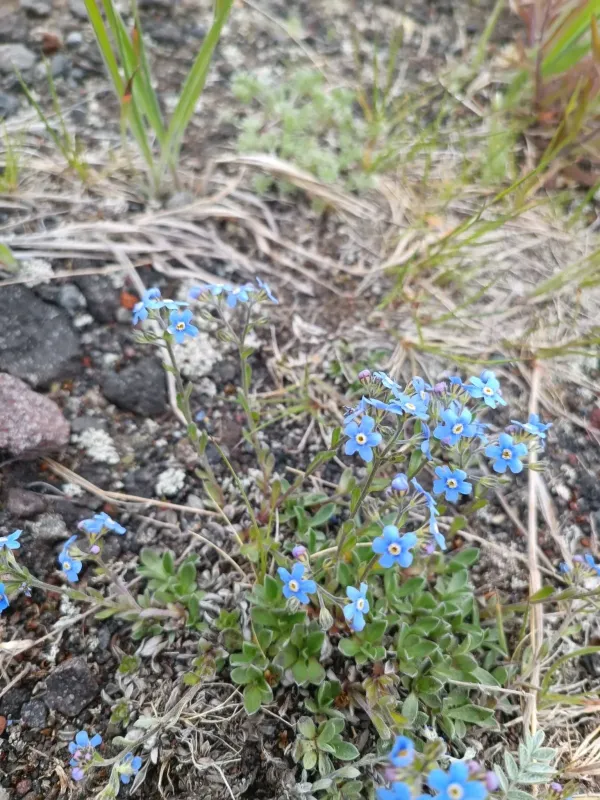
Description
Sowing dates
Eritrichium villosum is a distinctive member of the Boraginaceae family, adapted to survive in extreme high-altitude mountain environments.
Propagation is primarily achieved through seeds, which require a cold stratification period to break dormancy and ensure uniform germination.
For best results, seeds should be sown in autumn, allowing natural temperature cycles to prepare them for growth in the following spring.
The sowing medium must be highly inorganic, consisting mainly of mineral grit, sand, and a minimal amount of rocky soil to prevent compaction.
Consistency in moisture is vital; the substrate should remain slightly damp but never waterlogged to avoid rotting the developing seedling root system.
Growing requirements
This alpine species requires full sun exposure and excellent air circulation to thrive and maintain its compact, cushion-like growth habit.
Soil requirements are strict: the medium must be lean, gritty, and exceptionally well-draining, with a neutral or slightly alkaline pH level.
High summer heat is often detrimental; therefore, top-dressing with light-colored gravel is essential to protect the root crown from overheating.
Winter care involves ensuring the plant remains dry; in areas with high precipitation, overhead protection is often necessary to prevent rot.
Eritrichium villosum cannot compete with aggressive weeds, necessitating a clear, well-maintained rock garden environment for its long-term survival.
Main diseases and pests
The primary threat to this plant is the development of fungal infections, particularly during periods of high humidity or poor air movement.
Root rot caused by stagnant water or excessively rich soil is the most common reason for plant loss in cultivation, requiring immediate attention to drainage.
Small insects and pests, including various aphids and leaf-eating beetles, can cause significant damage to the sensitive leaves of the plant.
Regular inspections for signs of stress or pest infestation are necessary, especially during the early stages of growth in the spring season.
Proactive management of the surrounding microclimate, including debris removal and soil aeration, helps mitigate the risks of both pests and disease.