
Eritrichium nipponicum
Eritrichium nipponicum
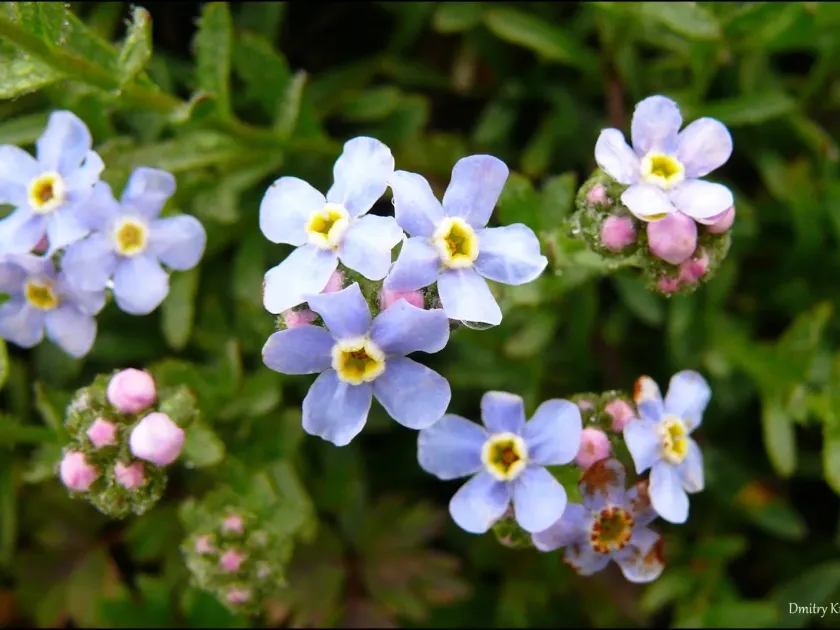
Description
Growing requirements
Eritrichium nipponicum is a rare herbaceous perennial plant belonging to the family Boraginaceae, known for its specific ecological niche.
The species originates from the high-altitude mountain regions of Japan, where it has evolved to thrive on rocky screes and exposed slopes.
Agricultural success with this plant depends heavily on providing excellent soil drainage, as water stagnation is strictly prohibited for its root system.
It requires poor, mineral-rich, and highly aerated substrates that replicate the natural harsh conditions of its native alpine habitat.
The plant performs best under full sunlight exposure, provided that the root crown is kept cool and well-ventilated during the peak summer heat.
Main diseases and pests
The primary threat to Eritrichium nipponicum is root rot caused by excessive moisture levels or poor substrate permeability during the growing season.
Fungal pathogens represent a significant risk, particularly in environments with high humidity and insufficient air circulation around the foliage.
Pests such as spider mites may infest the plant during prolonged dry and hot periods, significantly impacting the overall vigor of the perennial.
Slugs and snails are major hazards, as they actively feed on the delicate succulent-like leaves during the early vegetative growth stages.
Effective management includes maintaining a dry crown surface and using preventative antifungal treatments to ensure long-term plant health.