
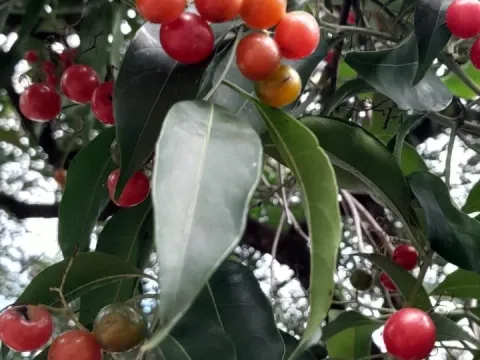
Cordia ecalyculata
Cordia ecalyculata
Cordia ecalyculata is a prominent shrub or small tree belonging to the Boraginaceae family. Known for its medicinal properties, this species is highly valued in its native South American regions, particularly in Brazil, for its therapeutic leaf extracts.
What the section contains
Cordia ecalyculata
The natural habitat of this crop spans tropical and subtropical forests. It thrives in humid environments and prefers warm conditions. Successful cultivation requires a frost-free climate, as the plant is highly sensitive to cold temperatures which can significantly stunt its growth.
Regarding soil requirements, this species performs best in well-drained, fertile soils with a slightly acidic to neutral pH. Proper soil aeration is crucial to prevent root zone suffocation, especially in high-rainfall agricultural zones where water stagnation might occur.
Agricultural management includes regular irrigation and the application of balanced organic fertilizers during the vegetative stage. The plant thrives in partial shade or filtered light, reflecting its adaptation to growing under a forest canopy, which helps in maintaining leaf quality.
The primary use of Cordia ecalyculata is in the pharmaceutical industry. The leaves contain bioactive compounds, including allantoin and flavonoids, which are utilized for their anti-inflammatory, analgesic, and diuretic properties in various herbal remedies.
Fungal infections pose the most significant risk to the plant, particularly when moisture levels in the canopy or soil remain consistently high. Proper spacing between individual plants is necessary to ensure adequate airflow and reduce the humidity-driven spread of fungal diseases.
Common pests include mites and scale insects that feed on the sap of young leaves. Sustainable agricultural practices, such as biological control and the use of botanical insecticides, are recommended to preserve the safety and efficacy of the plant for medicinal use.