
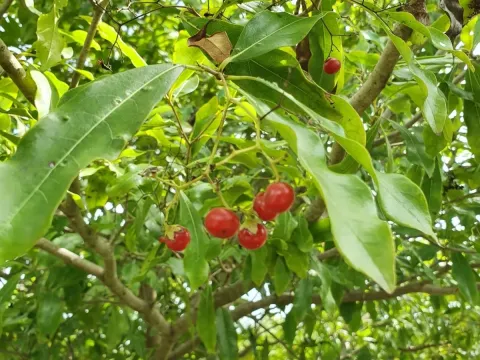
Cordia laevigata
Cordia laevigata
Cordia laevigata is a perennial woody plant belonging to the Boraginaceae family. Characterized by its robust growth and glossy foliage, this tree species serves as an important component of tropical ecosystems and possesses significant potential for agricultural integration in warm climates.
What the section contains
Cordia laevigata
Originating from the tropical regions of the Americas, this plant thrives in environments that offer consistent warmth and humidity. It prefers well-drained soils, typically loamy or sandy-clay compositions that prevent water stagnation, which is critical for maintaining root health and preventing fungal pathogens.
Climate requirements for successful cultivation include a frost-free environment with average annual temperatures ranging between 22°C and 30°C. High levels of solar radiation are essential for the plant's metabolic processes and the subsequent production of fruit and biomass.
Soil management involves ensuring a nutrient-rich base. Organic fertilization is highly recommended to sustain the growth rate of juvenile trees. Proper drainage remains the most important physical factor; therefore, sites with high water tables should be avoided unless extensive artificial drainage is installed.
Agricultural techniques include structured pruning to optimize canopy shape. This ensures adequate airflow through the branches, which reduces the incidence of humidity-related foliage diseases and facilitates easier access for harvest operations during the peak fruit season.
The harvest of Cordia laevigata involves the collection of edible fruits. These fruits are valued for their distinct gelatinous texture and are utilized in local culinary traditions, often processed into jams, syrups, or used as natural thickening agents in food production.
Beyond food production, the wood of Cordia laevigata is highly regarded in the woodworking industry. It is known for its durability and fine grain, making it a preferred material for high-quality furniture making, decorative carvings, and various artisanal crafts.
Medicinal applications of the plant are documented in traditional practices, where the bark and leaves are used to prepare extracts. These preparations contain bioactive compounds that are studied for their potential anti-inflammatory and antiseptic effects in clinical research settings.
From an ecological perspective, the species provides significant shade, making it an excellent candidate for agroforestry systems. By planting Cordia laevigata in conjunction with shade-tolerant crops, farmers can improve microclimate conditions and enhance land productivity.
Management of the harvest cycle includes monitoring maturity stages to ensure maximum sugar content in the fruits. Sustainable harvesting practices involve selective picking, which allows for the long-term preservation of the tree's health and ensures continued yield over several decades.