
Cordia dichotoma
Cordia dichotoma
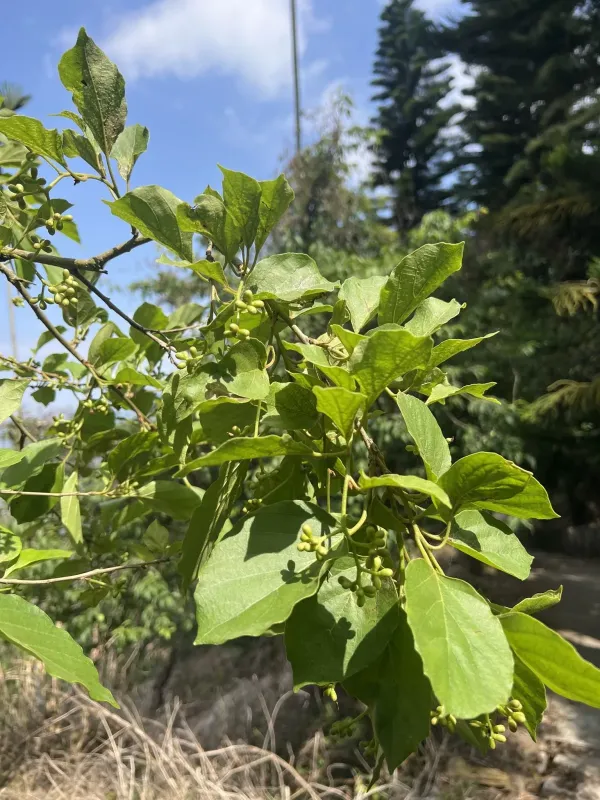
Description
Sowing dates
Cordia dichotoma, a member of the Boraginaceae family, is propagated either by seeds or through stem cuttings. Spring is the optimal time for sowing, as temperatures rise to a consistent 20-25 degrees Celsius.
Seed scarification is highly recommended to improve germination rates. Seeds should be planted in a well-draining, light potting mix at a depth of approximately 1.5 centimeters.
Germination typically occurs within three to four weeks, provided that moisture levels are kept consistent. During the seedling phase, bright, indirect light is essential for healthy development.
Propagation via semi-hardwood cuttings is also effective and helps maintain the genetic traits of the parent plant. Treated with rooting hormones, cuttings develop roots relatively quickly.
Once seedlings have developed their first set of true leaves, they should be transplanted into individual containers. This transition period allows the root system to establish itself before field planting.
Growing requirements
This tropical culture thrives in climates with high humidity and consistent warmth. It cannot tolerate freezing temperatures, making it unsuitable for temperate open-field cultivation without protection.
Soil should be fertile, light, and have a neutral pH level. Proper drainage is the most critical factor for success, as stagnant water significantly increases the risk of root rot.
Regular irrigation is required during the active growth period, especially when the tree is developing its fruit. While moderately drought-tolerant, consistent water leads to higher yields.
Select a location with full sun exposure to maximize growth rates and fruit sugar content. Protecting the tree from strong, drying winds is also important for maintaining foliage health.
In colder regions, cultivation must be performed in greenhouses or climate-controlled environments, as temperatures below 5 degrees Celsius can cause severe stress to the plant.
Yield
The tree typically begins fruiting around the age of three to four years. The fruit is small, round, and possesses a sticky, mucilaginous pulp often used in traditional remedies.
With proper care and pruning, a mature Cordia tree can produce a substantial harvest. The yield is highly influenced by the tree's overall vigor and environmental conditions.
Beyond its culinary and medicinal value, the plant is known for its durable wood, which is utilized in furniture making and construction due to its resistance to rot.
The bark provides fibers traditionally used for crafting strong ropes and paper products, showcasing the plant's multi-purpose agricultural utility.
Regular maintenance, including removing dead branches, ensures that the energy of the plant is directed toward fruit production rather than vegetative growth.
Main diseases and pests
Aphids and spider mites are common pests that target young leaves and shoots, especially in low-humidity conditions. Infestations can significantly reduce the tree's vitality.
Mealybugs may also cause issues by sucking sap from soft tissues, leading to stunted growth and leaf deformation. Biological controls or targeted insecticides are effective management strategies.
Fungal leaf spots can develop if the tree lacks proper ventilation within the canopy. Improving air circulation through strategic pruning is a vital preventative measure.
Fungicide applications are recommended at the first signs of disease to prevent widespread infection. It is important to monitor the tree regularly during humid periods.
Maintaining a clean garden area and clearing away debris from beneath the tree helps disrupt the life cycle of common soil-borne pathogens and pests.
Harvesting
Fruit harvesting is conducted manually as berries ripen. Since fruits do not all mature at the same time, it is necessary to pick them over several stages to ensure quality.
Because the fruits are highly perishable, they should be processed or dried immediately after collection. They are commonly turned into syrups or therapeutic extracts.
For dried medicinal use, fruits should be air-dried in a well-ventilated area away from direct sunlight to preserve their active chemical components.
Gloves are recommended during harvest due to the naturally sticky and resinous texture of the fruit pulp. Cleaning tools after use prevents resin buildup.
Leaves and bark, which are also harvested for various traditional uses, should be collected during the peak growing season to ensure the highest concentration of phytochemicals.