
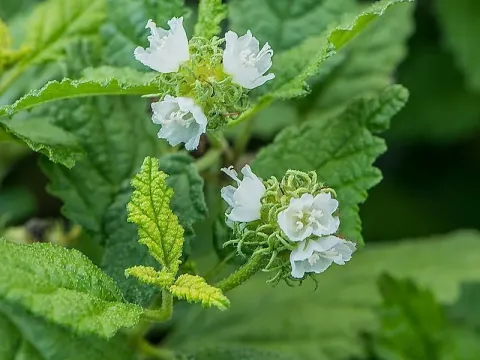
Cordia globosa
Cordia globosa
Cordia globosa is a perennial shrub belonging to the Boraginaceae family. This species originates from the tropical regions of the Caribbean, South America, and Central America, where it thrives in diverse ecological niches.
What the section contains
Cordia globosa
The plant requires full sun exposure to reach its full development potential. It is adaptable to various soil types but demonstrates optimal growth in sandy or rocky well-drained soils with a slightly alkaline pH, typical of its native coastal habitats.
Regarding climatic requirements, Cordia globosa is strictly a warm-weather plant that does not tolerate frost. In commercial or experimental farming, maintaining temperatures above 18°C is critical to ensure continued metabolic activity and healthy foliage production.
Agricultural management should prioritize judicious irrigation. While the plant is inherently drought-tolerant, supplemental watering during the peak growing season ensures more robust structural growth and promotes a more prolific flowering cycle throughout the year.
The plant is highly valued for its versatile application, serving both as a traditional medicinal resource in its endemic regions and as an ornamental shrub in tropical landscape architecture due to its unique globular inflorescences.
The main pests associated with Cordia globosa include spider mites and aphids, which tend to infest the plant when environmental conditions become excessively dry or poorly ventilated. Regular monitoring of the foliage is essential to prevent infestations.
Fungal diseases, such as root rot, are primary threats when the plant is grown in dense, water-logged soils. Ensuring excellent drainage and allowing the top layer of soil to dry out between watering sessions are the most effective preventive measures.