
Cordia elaeagnoides
Cordia elaeagnoides
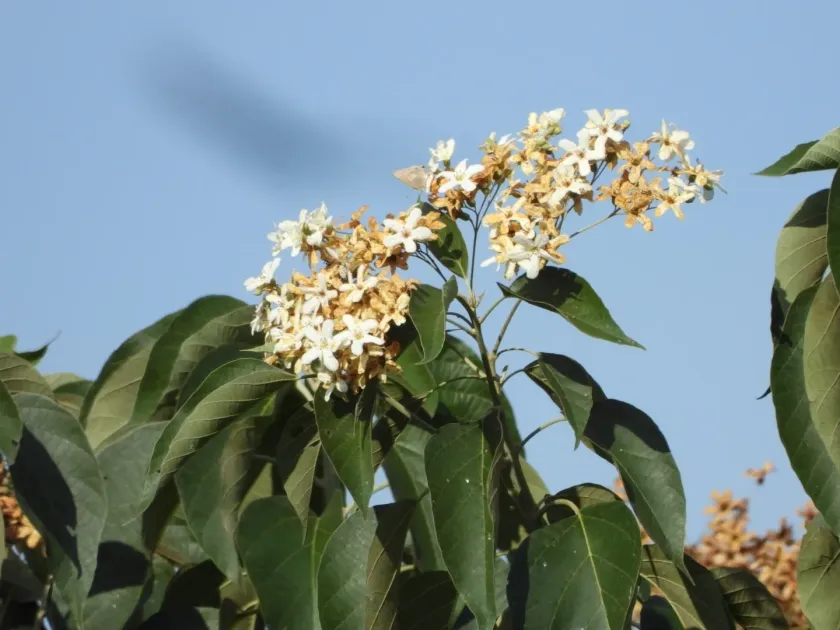
Description
Growing requirements
Cordia elaeagnoides belongs to the Boraginaceae family. It is a slow-growing tropical tree that is highly valued for its durable and aesthetically pleasing timber in its native regions.
The tree is native to parts of Central and South America. It is well-adapted to environments that experience distinct dry and wet seasons, which influences its growth rate and wood density.
For successful cultivation, well-drained soil is essential. Cordia cannot tolerate waterlogging, so planting on elevated terrain or sites with excellent natural drainage is a fundamental requirement for healthy development.
The species thrives in warm tropical climates with optimal temperatures ranging between 22°C and 30°C. Adequate sunlight is crucial, particularly during the initial years of development to ensure a straight and robust trunk formation.
Standard agrotechnical practices include systematic pruning to eliminate low-hanging branches and encourage apical dominance. This is vital for maximizing the quality of the harvested logs in timber production systems.
Yield
The primary economic output of this culture is its premium wood, commercially known as "baro" or "baril." The timber is highly sought after for its exceptional hardness and resistance to decay.
Its natural coloration, featuring rich brown tones and intricate grain patterns, makes it a top choice for fine furniture making and decorative interior paneling. The wood polishes well and retains its luster over decades.
Due to its physical properties, the wood is frequently used by luthiers for constructing musical instruments. It provides excellent acoustic stability and contributes to the tonal quality of the finished instruments.
In addition to timber, the tree provides ecological value within agroforestry settings. Its foliage provides cover for wildlife, and it acts as a reliable component for soil erosion control on slopes.
Harvesting cycles are generally long due to the tree's steady growth rate. Sustainable management requires selective logging practices to ensure the long-term viability of the tree plantation.
Main diseases and pests
Fungal infections are the primary threat to plantation health, especially when site drainage is insufficient. Roots are particularly susceptible to rot, which can lead to the decline of mature trees if left unmanaged.
Wood-boring insects, such as termites and bark beetles, pose a significant risk to the timber quality. Monitoring for entry holes and maintaining tree vigor are the most effective strategies for preventing infestations.
Competition from invasive weeds and aggressive vines can choke young trees. Frequent weed control and maintenance of the forest floor are necessary during the first three to five years of the tree's life.
Environmental stress, particularly extended droughts, can weaken the trees' natural defenses, making them more susceptible to pest colonization. Supplemental irrigation during extreme dry spells can mitigate this risk.
Integrated pest management (IPM) techniques are recommended over heavy chemical application to preserve the soil microbiome. Regular thinning of stagnant trees helps maintain airflow and reduces the risk of widespread disease outbreaks.