
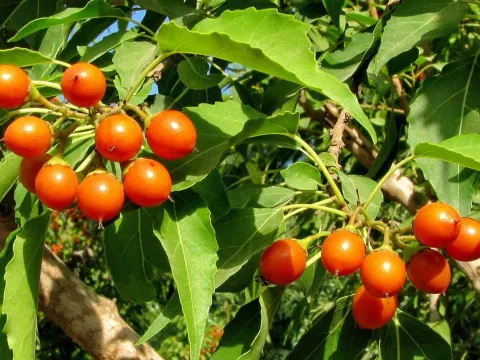
Cordia caffra
Cordia caffra
Propagation of Cordia caffra is typically performed via seeds collected from fully ripened fruits. The seeds should be thoroughly cleaned of flesh and sown in a well-drained, sandy loam substrate to ensure optimal germination.
What the section contains
Cordia caffra
For successful seed germination, a consistent temperature of 20 to 25 degrees Celsius must be maintained. The sowing medium should be kept moist but never waterlogged to prevent fungal growth on the seeds.
Seedlings develop relatively slowly and may require several weeks to emerge. Once the seedlings reach a height of approximately 15 centimeters, they should be transplanted into larger containers to allow for root expansion.
Vegetative propagation via cuttings is also an effective method. Semi-hardwood cuttings treated with rooting hormones and kept in a high-humidity environment typically show the best results in forming new root systems.
Hardening off the young plants before transplanting them to their permanent location is crucial for survival, especially if the plants have been raised in a protected greenhouse environment.
Cordia caffra is a member of the Boraginaceae family and originates from the southern regions of Africa. It thrives in locations that offer full sun exposure and warm climatic conditions for the majority of the year.
The tree requires soil that is rich in organic matter and possesses excellent drainage capabilities. While it can withstand occasional dry spells once established, consistent moisture is beneficial for vigorous growth.
The ideal pH level for the soil is near neutral. If the local soil is heavy or prone to waterlogging, it is recommended to amend the planting site with organic matter and gravel to improve the structural integrity of the soil.
Temperature tolerance is limited; the species is sensitive to frost. In regions where temperatures drop significantly during winter, keeping the plant in a pot is the preferred method to allow for wintering indoors.
Regular maintenance including light pruning helps in maintaining a balanced shape and encouraging the development of new, healthy foliage during the growing season in spring and summer.
In its natural habitat, the tree produces small, edible fruits that are appreciated by local wildlife and human populations. While not typically grown as a commercial orchard crop, it serves as a valuable multipurpose tree.
The wood of Cordia caffra is known for its durability and attractive grain. It is often utilized in local craftsmanship for making small household items, tool handles, and decorative wooden carvings.
The yield of flowers is significant, making the tree an excellent candidate for ornamental planting. It attracts various pollinators, including bees and butterflies, which enhances the biodiversity of the garden ecosystem.
In favorable conditions, the tree can produce a consistent annual yield of fruits, which are sometimes used in local traditional practices for their nutritional content.
Overall utility of the species remains primarily decorative and ecological, contributing to the stability of the local landscape and providing resources for small-scale local production.
Spider mites are common pests that target the foliage of Cordia caffra, particularly in arid climates or when the plant is kept in dry indoor environments. Frequent misting can help deter these pests.
Scale insects can occasionally infest the branches and stems. If left untreated, these insects can weaken the plant's structural integrity and lead to secondary infections from sooty mold.
Root rot, caused by various soil-borne fungi, remains a primary threat when drainage is inadequate. Ensuring that the tree is not left standing in water is the most effective preventative measure against this issue.
Powdery mildew may appear on leaves when air circulation is poor. Proper spacing between trees or plants is essential to maintain good airflow and reduce the humidity levels that favor fungal growth.
Regular monitoring of the plant's health allows for early detection of potential threats. Quick intervention with appropriate biological or chemical treatments can save the plant from severe damage.