
Cordia glabrata
Cordia glabrata
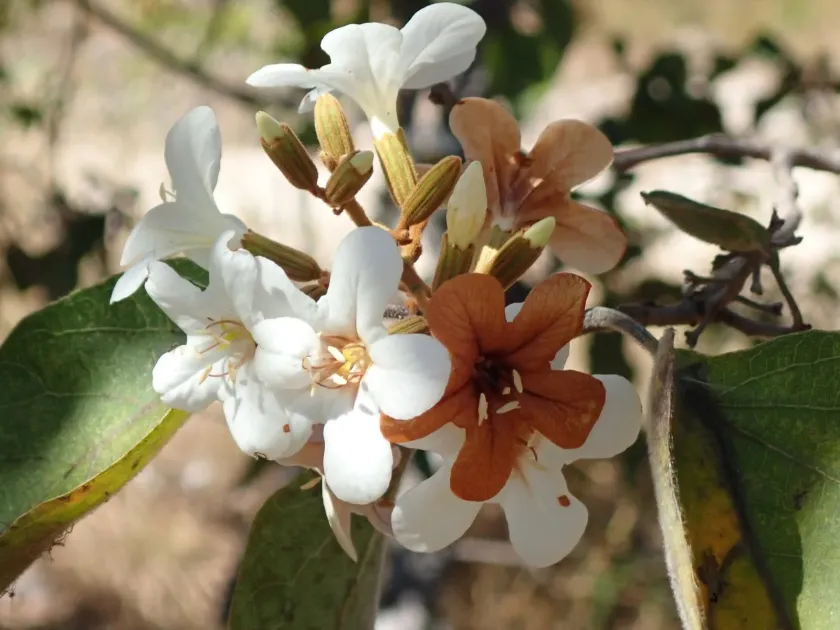
Description
Growing requirements
Cordia glabrata is a prominent tree species belonging to the Boraginaceae family, widely recognized for its ecological importance in South American forests. It typically exhibits a deciduous habit, shedding leaves during periods of water stress or seasonal changes.
The tree thrives in diverse soil types, ranging from sandy loams to clay-heavy soils, provided that the site offers excellent drainage. Its natural habitat is characterized by tropical temperatures and significant rainfall patterns, to which the species has developed physiological adaptations.
In terms of silviculture, the species demonstrates a rapid initial growth rate, making it an ideal candidate for reforestation projects. It is highly valued for its ability to produce high-quality timber that is resistant and durable, making it suitable for furniture and construction.
Plantation management requires selecting sites with adequate sun exposure, as the species is intolerant to dense shade in its juvenile stages. Proper spacing is crucial to ensure maximum biomass production and to promote structural development of the tree canopy.
Beyond timber production, Cordia glabrata serves as an important component in urban landscaping in tropical regions, where it is valued for its dense shade and moderate maintenance requirements once the tree is fully established.
Main diseases and pests
The health of Cordia glabrata plantations can be challenged by various fungal pathogens, especially in areas with poor ventilation and high humidity. Leaf spot diseases are among the most frequent issues reported during the rainy season.
Wood-boring insects represent a significant biological threat, as they can weaken the tree structure and reduce the commercial value of the timber. Integrated pest management (IPM) strategies are recommended to mitigate these risks effectively.
Root system issues, primarily caused by waterlogging or inadequate drainage, can lead to the decline of trees. Preventing moisture accumulation in the soil is essential to avoid anaerobic conditions that favor root pathogens.
Regular monitoring of tree health is vital to detect signs of stress early. This includes inspecting the bark for entry holes of insects and examining foliage for discoloration or premature wilting patterns.
Sanitation practices, including the removal of infested branches and maintaining clean growing environments, are fundamental in preventing the spread of diseases and pests within a plantation or nursery setting.