
Cordia diversifolia
Cordia diversifolia
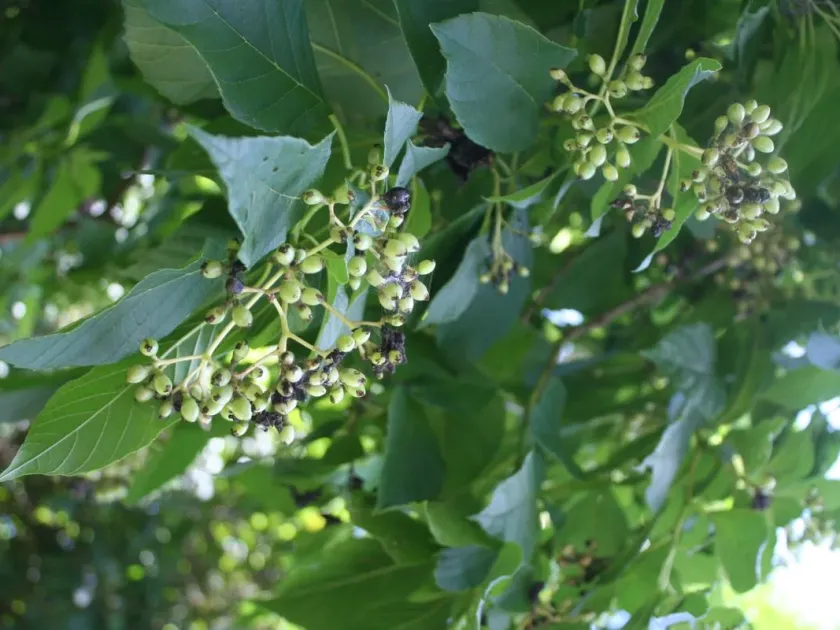
Description
Growing requirements
Cordia diversifolia belongs to the Boraginaceae family and is recognized as a woody species native to the tropical forests of the Americas. Its biological structure is adapted to warm, humid environments.
The crop requires well-drained, fertile soil to thrive. Soil aeration is critical, as the roots are highly susceptible to rot if the water table is too high or drainage is insufficient.
Climate requirements include consistent tropical temperatures and high humidity. While it tolerates some variation, it is strictly intolerant of frost, which can cause severe physiological damage.
Agricultural management involves careful canopy maintenance. Pruning is essential in early stages to ensure a straight trunk and balanced growth, which improves the quality of timber production.
The species serves various purposes, primarily as a source of durable timber for construction and crafts, and as a component in local agroforestry systems to prevent soil erosion.
Main diseases and pests
Fungal diseases affecting the root system are the primary threat, especially in areas with heavy rainfall where soil compaction might occur and cause water stagnation.
Pests such as scale insects and spider mites are common in managed plantations, particularly during dry spells when the tree's natural defense mechanisms may be temporarily lowered.
Leaf-eating caterpillars can lead to significant defoliation, which hampers the tree's ability to store nutrients, ultimately impacting the growth rate of the harvestable timber.
Maintaining appropriate spacing between trees is a key agronomic strategy to ensure sufficient airflow and light penetration, which naturally inhibits fungal spore germination.
Regular field scouting is highly recommended to identify signs of stress or pest infestation early, allowing for targeted interventions rather than broad-spectrum chemical use.